
All-Time Best
Zocalo (Plaza de la Constitucion)
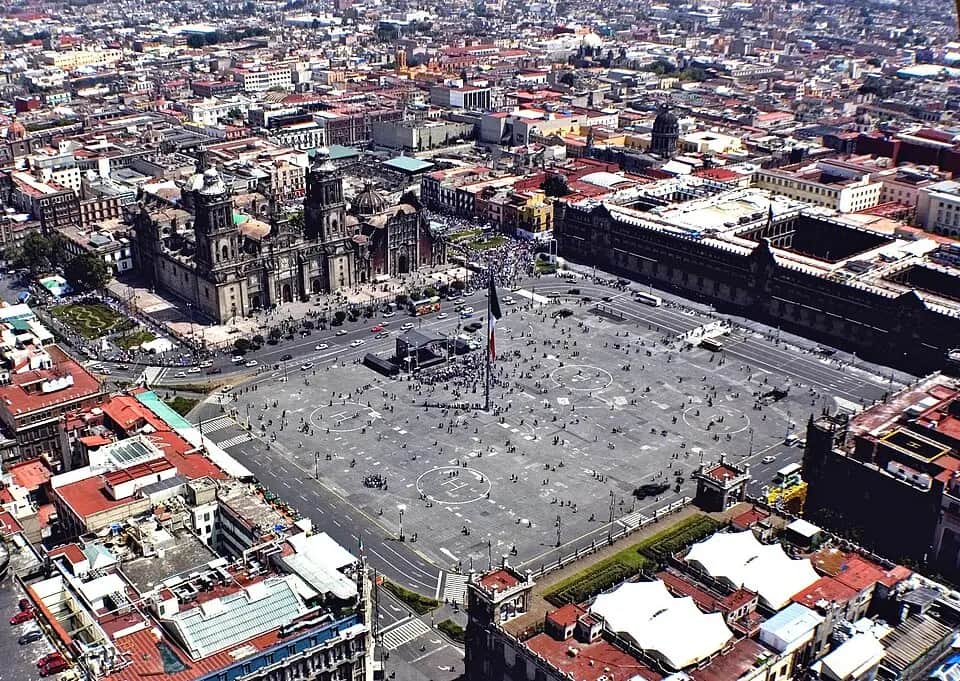
Zocalo (Plaza de la Constitucion)
One of the largest public squares in the world, the Zocalo is the heart of Mexico City. Surrounded by the stunning Metropolitan Cathedral, the National Palace with Diego Rivera murals, and ancient Aztec ruins, it's where 700 years of history converge.
Highlights
- Metropolitan Cathedral
- National Palace Murals
- Templo Mayor Ruins
Museo Frida Kahlo (Casa Azul)
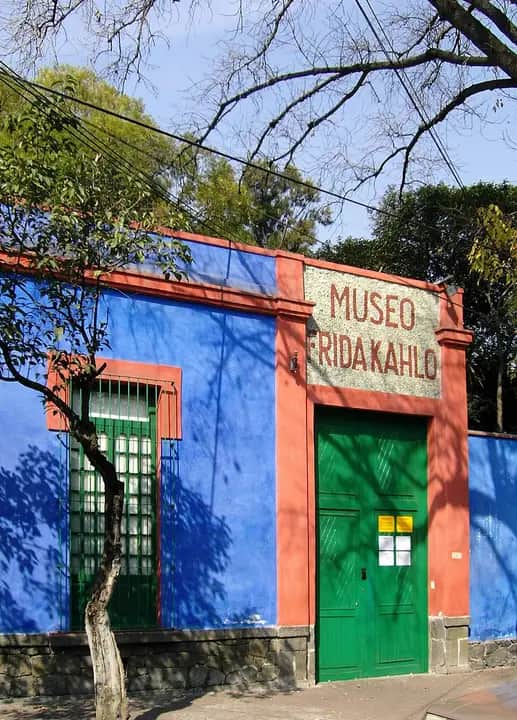
Museo Frida Kahlo (Casa Azul)
The iconic blue house where Frida Kahlo was born, lived, and died is now a museum dedicated to her life and art. The cobalt-blue walls house personal artifacts, artwork, and the garden that inspired her vibrant paintings.
Highlights
- Frida's Studio
- Diego's Collection
- Traditional Mexican Garden
Chapultepec Castle & Park
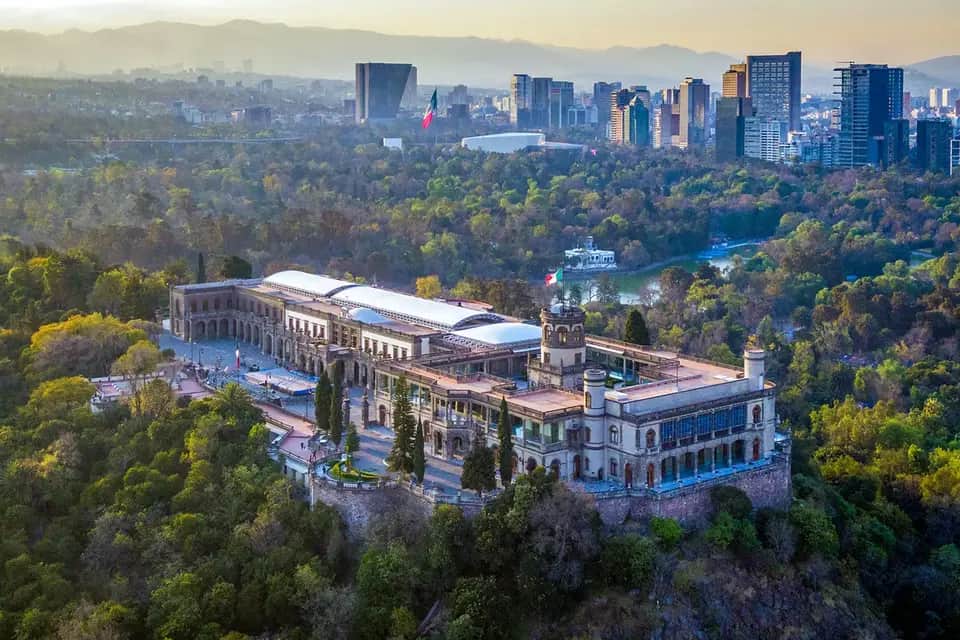
Chapultepec Castle & Park
The only royal castle in the Americas, perched atop Chapultepec Hill with panoramic city views. The surrounding park is one of the largest urban green spaces in the Western Hemisphere, home to lakes, museums, and a zoo.
Highlights
- Panoramic City Views
- National History Museum
- Chapultepec Forest
Teotihuacan Pyramids
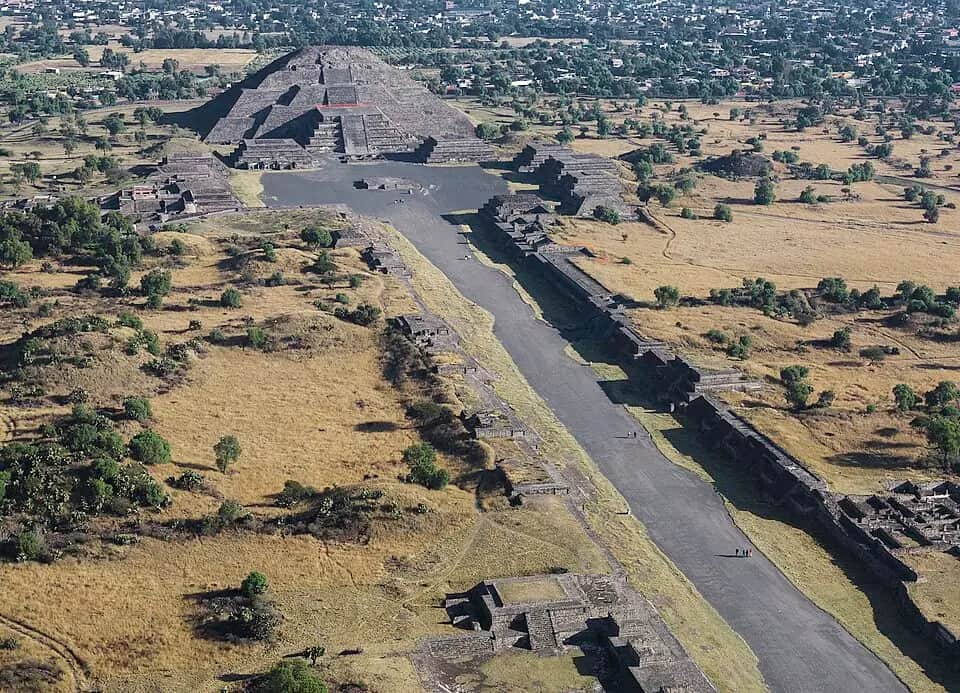
Teotihuacan Pyramids
Just outside the city lies one of the most impressive archaeological sites in the world. The ancient Pyramids of the Sun and Moon, connected by the Avenue of the Dead, date back to 100 BCE and offer a glimpse into pre-Columbian civilization.
Highlights
- Pyramid of the Sun
- Pyramid of the Moon
- Temple of Quetzalcoatl
Palacio de Bellas Artes
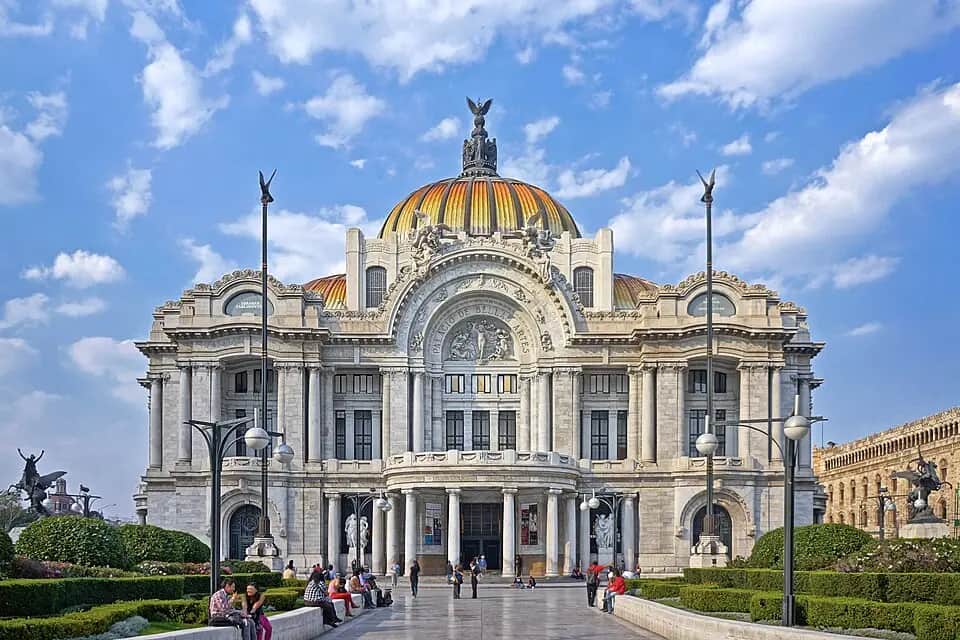
Palacio de Bellas Artes
This stunning Art Nouveau and Art Deco palace is Mexico's premier cultural venue. Its white marble exterior houses magnificent murals by Rivera, Siqueiros, and Orozco, plus the famous glass curtain designed by Tiffany & Co.
Highlights
- Tiffany Glass Curtain
- Diego Rivera Murals
- Ballet Folklorico
Museo Nacional de Antropologia
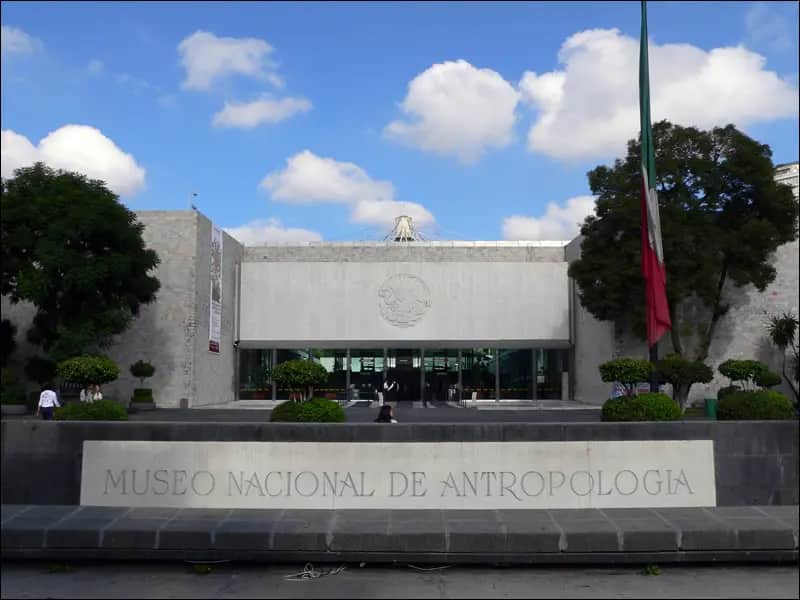
Museo Nacional de Antropologia
One of the world's great museums, housing the most extensive collection of ancient Mexican art, including the famous Aztec Sun Stone. The stunning mid-century modern building is an architectural masterpiece.
Highlights
- Aztec Sun Stone
- Maya Hall
- Olmec Colossal Heads
Coyoacan
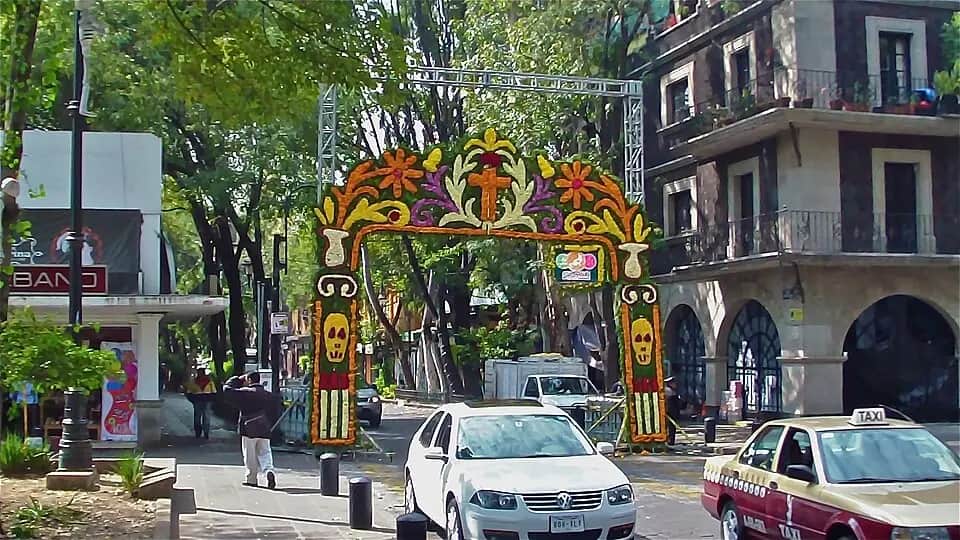
Coyoacan
This bohemian neighborhood with cobblestone streets and colorful colonial buildings was once home to Frida Kahlo and Leon Trotsky. Its leafy plazas, artisan markets, and cafes make it perfect for leisurely exploration.
Highlights
- Jardin Centenario
- Mercado de Coyoacan
- Church of San Juan Bautista
Xochimilco Floating Gardens
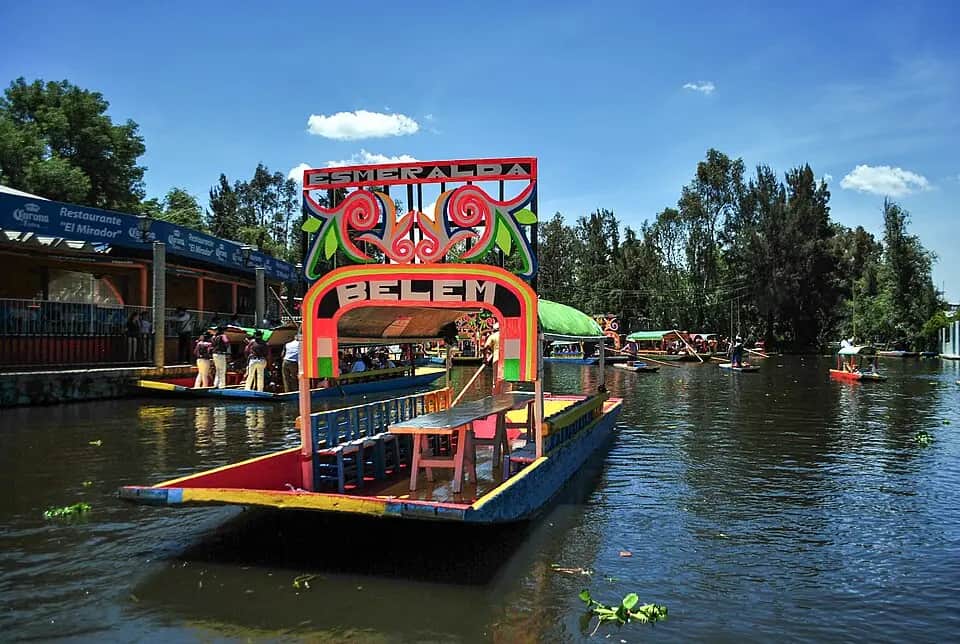
Xochimilco Floating Gardens
Experience the last remnants of the Aztec lake system aboard colorful trajinera boats. Float through ancient canals lined with chinampas (floating gardens), while mariachi bands serenade and vendors sell food and flowers.
Highlights
- Trajinera Boat Rides
- Floating Markets
- Isla de las Munecas
Roma Norte
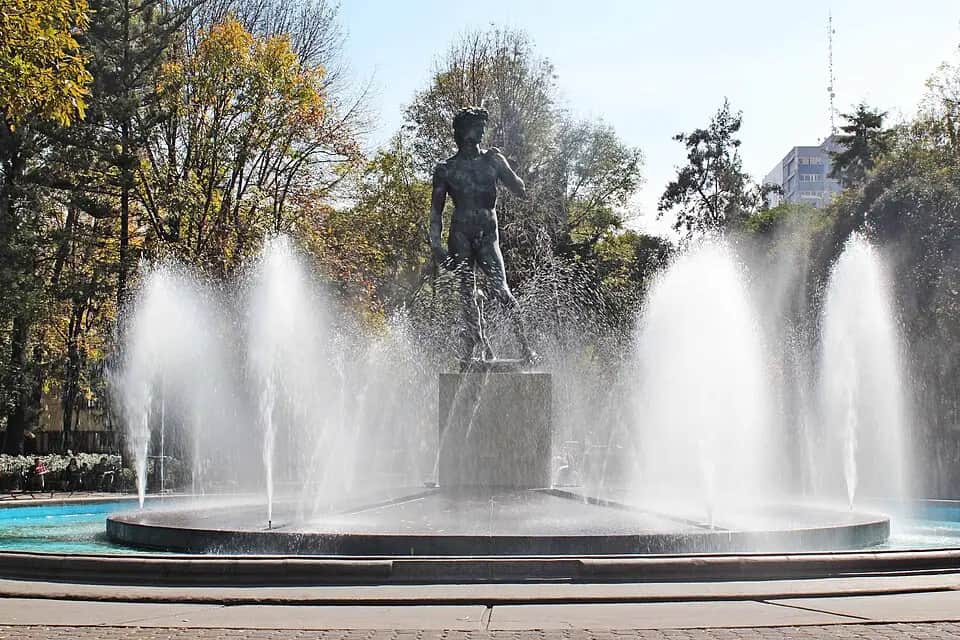
Roma Norte
This trendy, tree-lined neighborhood is the epicenter of Mexico City's culinary and nightlife scene. Art Deco and Art Nouveau architecture houses world-class restaurants, hip cafes, and vibrant bars.
Highlights
- Avenida Alvaro Obregon
- World-Class Restaurants
- Boutique Shopping
Templo Mayor
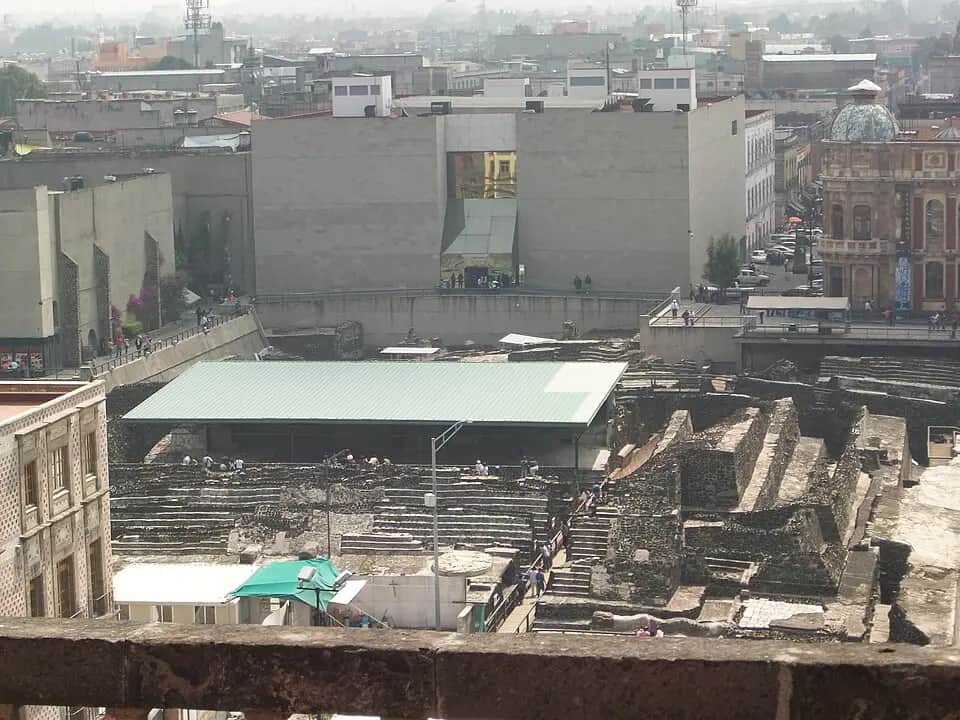
Templo Mayor
The archaeological ruins of the main temple of the Aztec capital Tenochtitlan, discovered in 1978 right in the heart of downtown. The adjacent museum displays over 7,000 artifacts including the massive Coyolxauhqui stone.
Highlights
- Coyolxauhqui Stone
- Tzompantli (Skull Rack)
- Temple Foundations

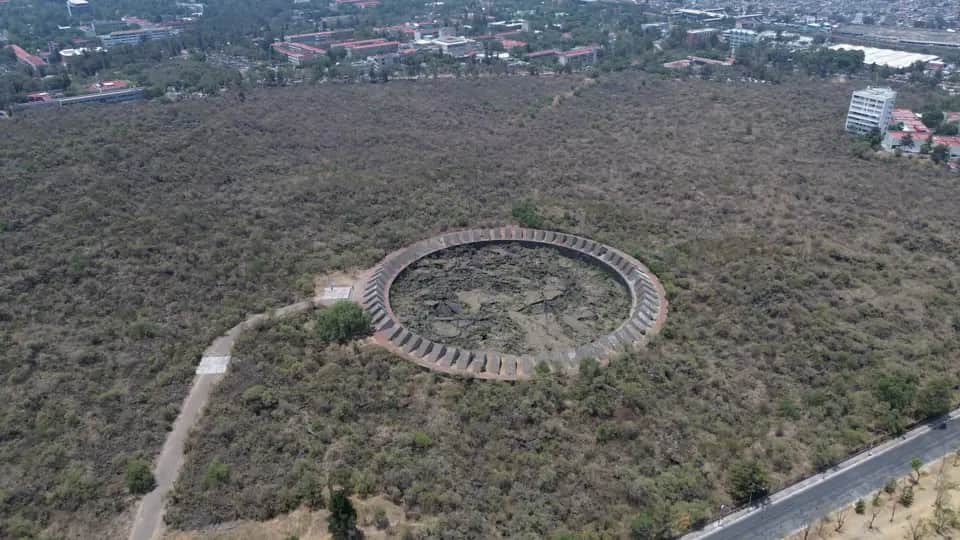
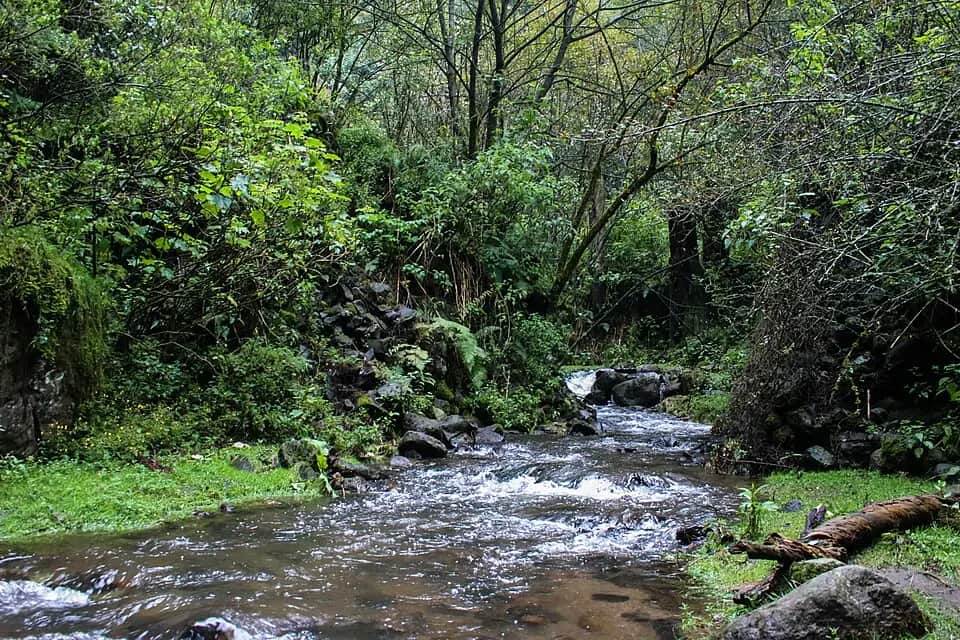
Fall (Dia de los Muertos)
Zocalo Mega Ofrenda
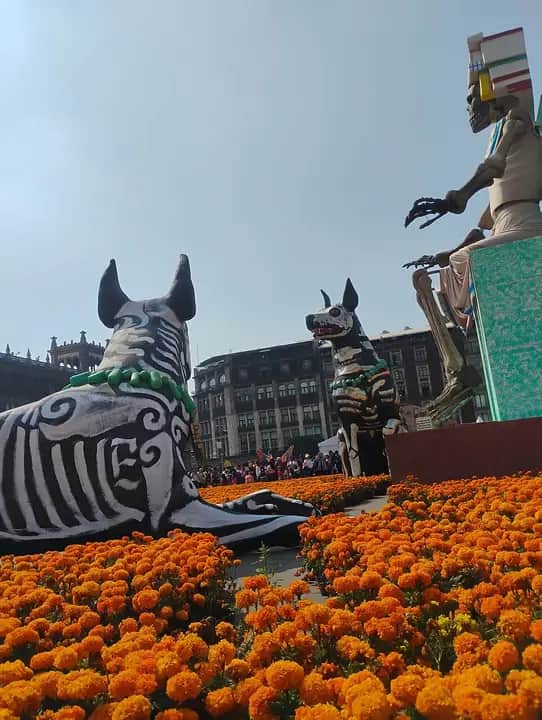
Zocalo Mega Ofrenda
During Dia de los Muertos, the Zocalo transforms into a massive public altar with thousands of marigolds, candles, and traditional offerings. The city's largest celebration of this UNESCO-recognized tradition.
Highlights
- Giant Ofrendas
- Calavera Costumes
- Night Processions
Mixquic Cemetery
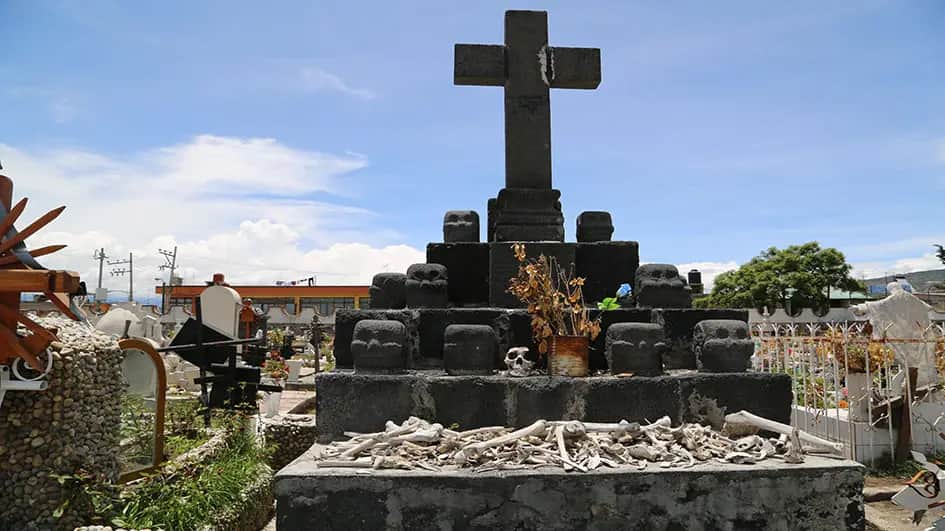
Mixquic Cemetery
This ancient cemetery comes alive on November 1-2 as families gather to honor their deceased with candles, flowers, and all-night vigils. One of the most authentic Dia de los Muertos experiences.
Highlights
- Candlelit Graves
- Family Vigils
- Traditional Food
Paseo de la Reforma Parade
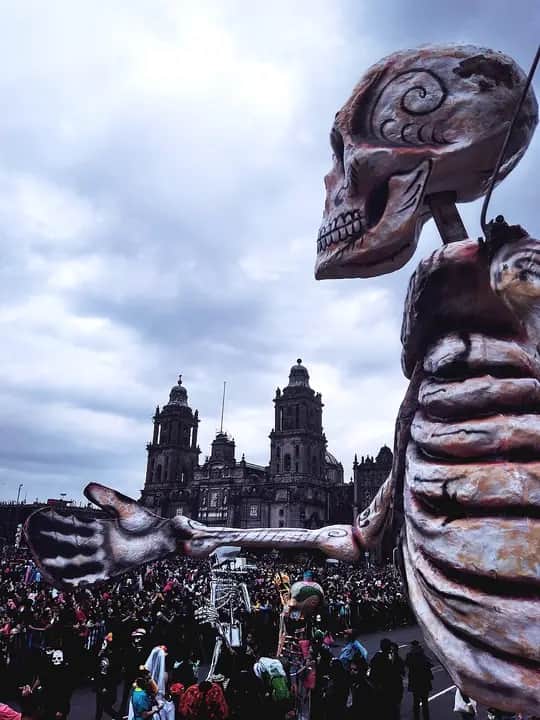
Paseo de la Reforma Parade
Inspired by the James Bond film Spectre, this now-annual parade features giant alebrijes, Catrina figures, and elaborate floats processing down the city's main avenue.
Highlights
- Giant Catrinas
- Alebrijes
- Traditional Music
Museo Dolores Olmedo
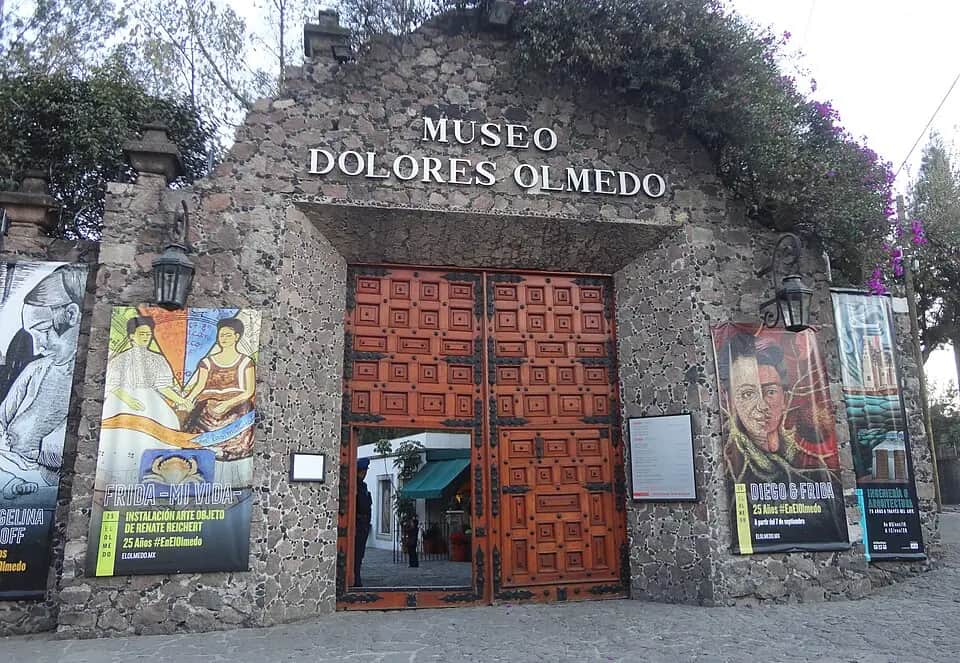
Museo Dolores Olmedo
This hacienda museum hosts one of the city's most elaborate traditional ofrendas, along with its permanent collection of Frida Kahlo and Diego Rivera works. The gardens feature Xoloitzcuintli dogs.
Highlights
- Traditional Ofrenda
- Kahlo Collection
- Xoloitzcuintli Dogs
Frequently Asked Questions
Mexico City is generally safe for tourists, especially in popular areas like Roma, Condesa, Polanco, Coyoacan, and the Historic Center. Use common sense, avoid displaying expensive items, use authorized taxis or rideshare apps, and stay aware of your surroundings, particularly at night.
The best time to visit is during the dry season from November to April, when skies are clear and temperatures are mild (60-75°F/15-24°C). Late October to early November is especially magical for Dia de los Muertos celebrations.
The Metro is cheap and extensive, covering most tourist areas. Metrobus lines are efficient for longer routes. Uber and DiDi are widely used and affordable. For the Historic Center, walking is often the best option. Avoid driving due to heavy traffic.
Mexico City sits at 2,240 meters (7,350 feet) above sea level. Some visitors may experience mild symptoms like shortness of breath or fatigue. Stay hydrated, avoid excessive alcohol the first day, and take it easy initially. Most people adjust within 24-48 hours.
No, it's not recommended to drink tap water in Mexico City. Stick to bottled or purified water, which is widely available. Most restaurants use purified water for drinks and ice. When in doubt, ask if water is 'agua purificada.'