
All-Time Best
Fushimi Inari Taisha
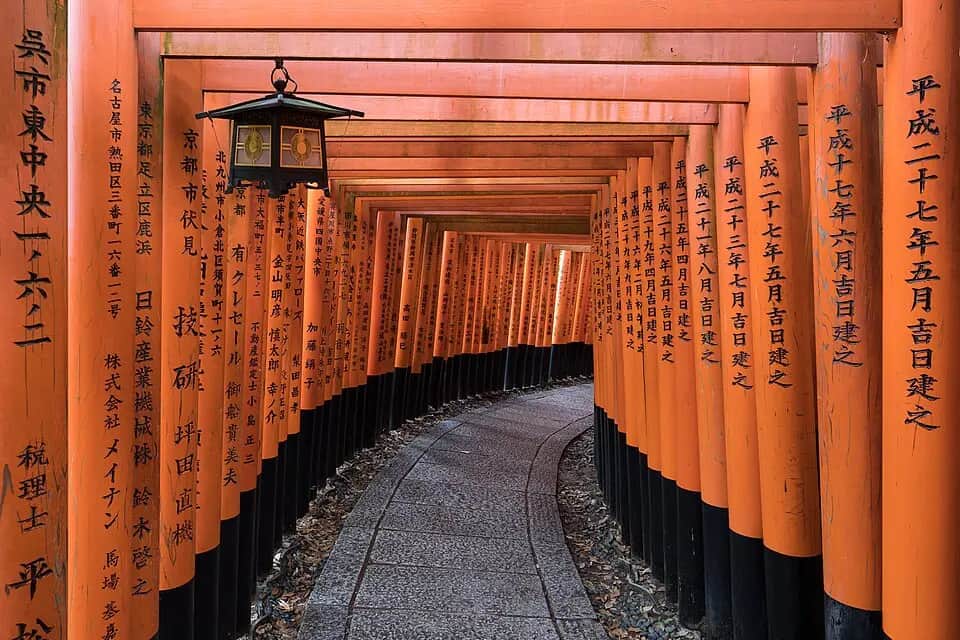
Fushimi Inari Taisha
Japan's most iconic Shinto shrine, famous for its mesmerizing trails of over 10,000 vermilion torii gates winding up Mount Inari. Dedicated to Inari, the god of rice and prosperity, this 24-hour accessible shrine offers a magical experience, especially at dawn or dusk.
Highlights
- Senbon Torii Gates
- Mount Inari Summit
- Fox Statues
Kinkaku-ji (Golden Pavilion)
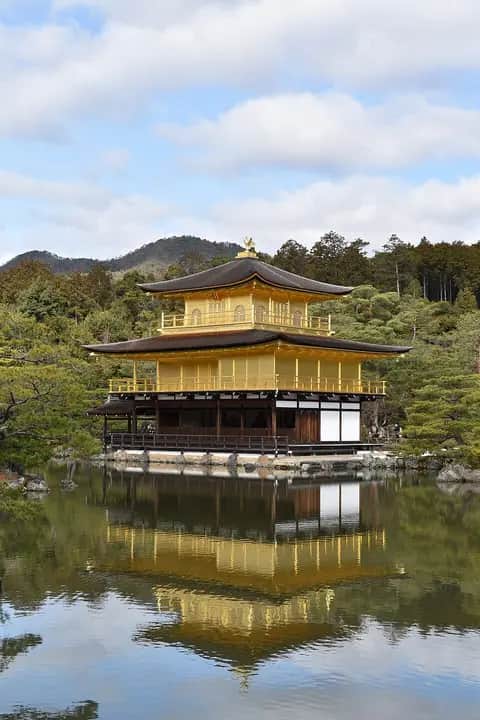
Kinkaku-ji (Golden Pavilion)
A stunning Zen Buddhist temple covered in gold leaf, reflecting brilliantly on the surrounding mirror pond. Originally built as a retirement villa for a shogun, it's now one of Japan's most photographed landmarks and a UNESCO World Heritage Site.
Highlights
- Golden Pavilion
- Mirror Pond
- Japanese Gardens
Arashiyama Bamboo Grove
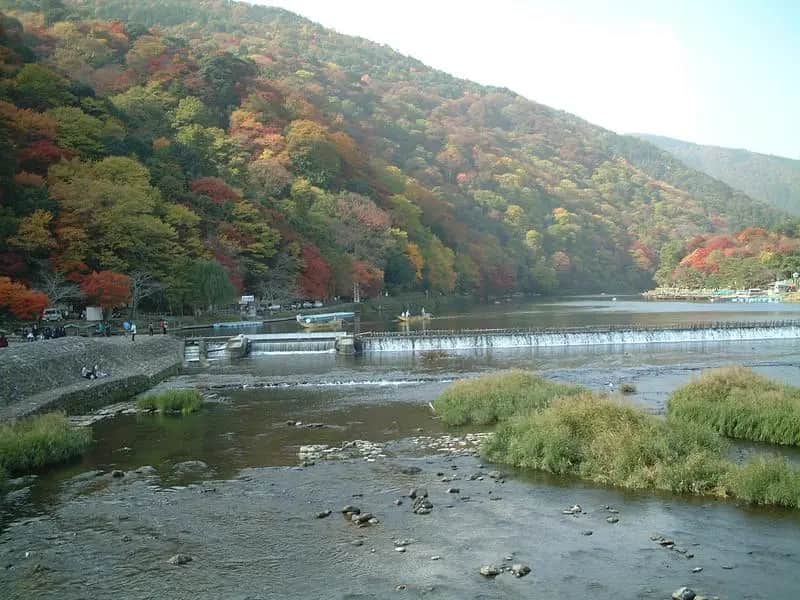
Arashiyama Bamboo Grove
Walk through towering bamboo stalks that create an otherworldly atmosphere as they sway and rustle in the wind. This enchanting forest path leads to several temples and the scenic Togetsukyo Bridge area.
Highlights
- Bamboo Path
- Togetsukyo Bridge
- Tenryu-ji Temple
Gion District
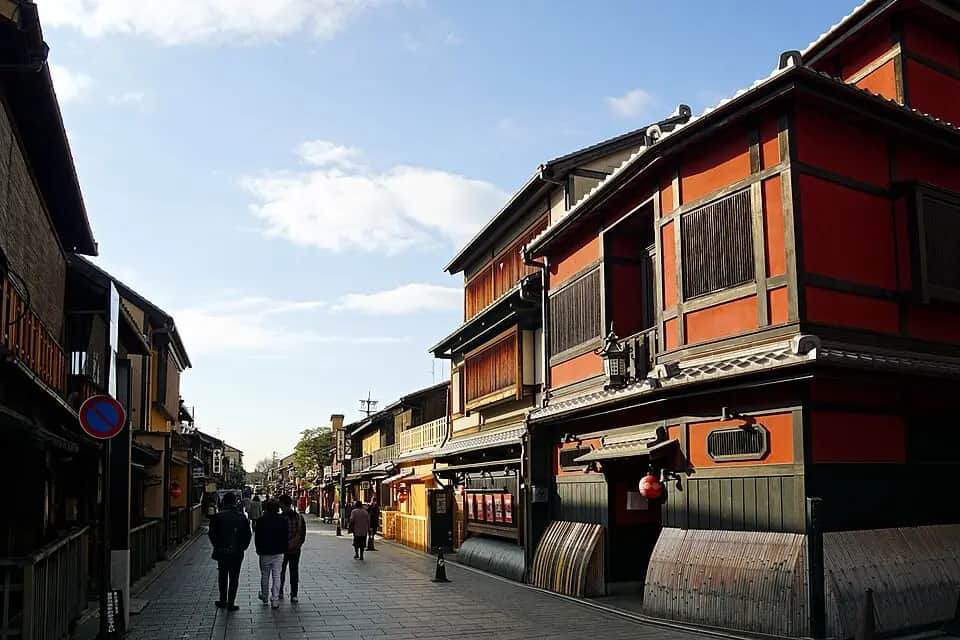
Gion District
Kyoto's most famous geisha district, where traditional wooden machiya townhouses line atmospheric streets. Stroll along Hanamikoji Street at dusk for a chance to spot geiko and maiko in their elegant kimono heading to appointments.
Highlights
- Hanamikoji Street
- Geiko Spotting
- Traditional Teahouses
Kiyomizu-dera Temple
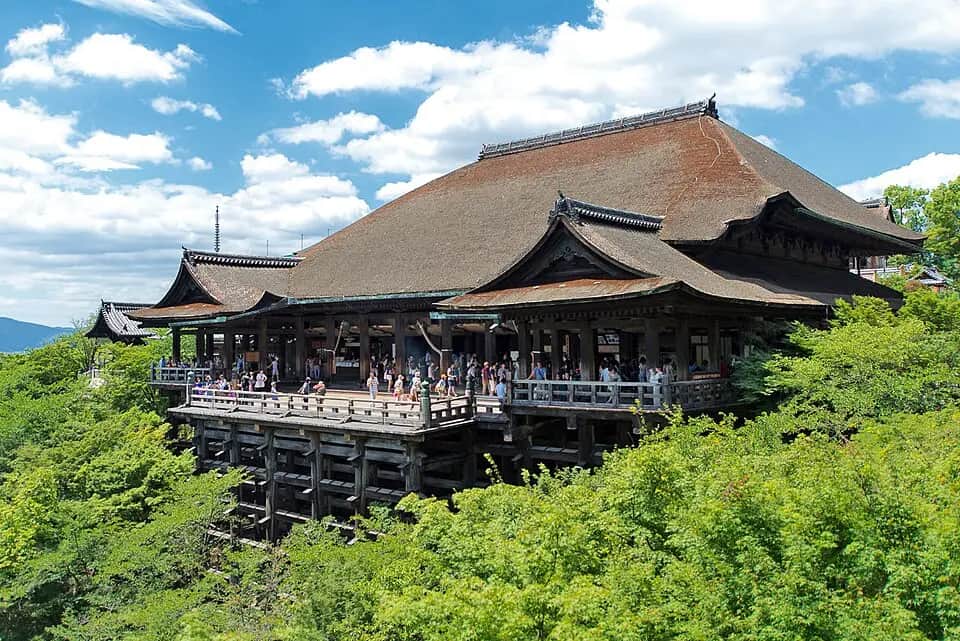
Kiyomizu-dera Temple
A magnificent wooden temple perched on a hillside with a famous stage offering panoramic views of Kyoto. Built without using a single nail, this UNESCO site is especially stunning during cherry blossom and autumn foliage seasons.
Highlights
- Wooden Stage
- Otowa Waterfall
- Higashiyama Views
Nijo Castle
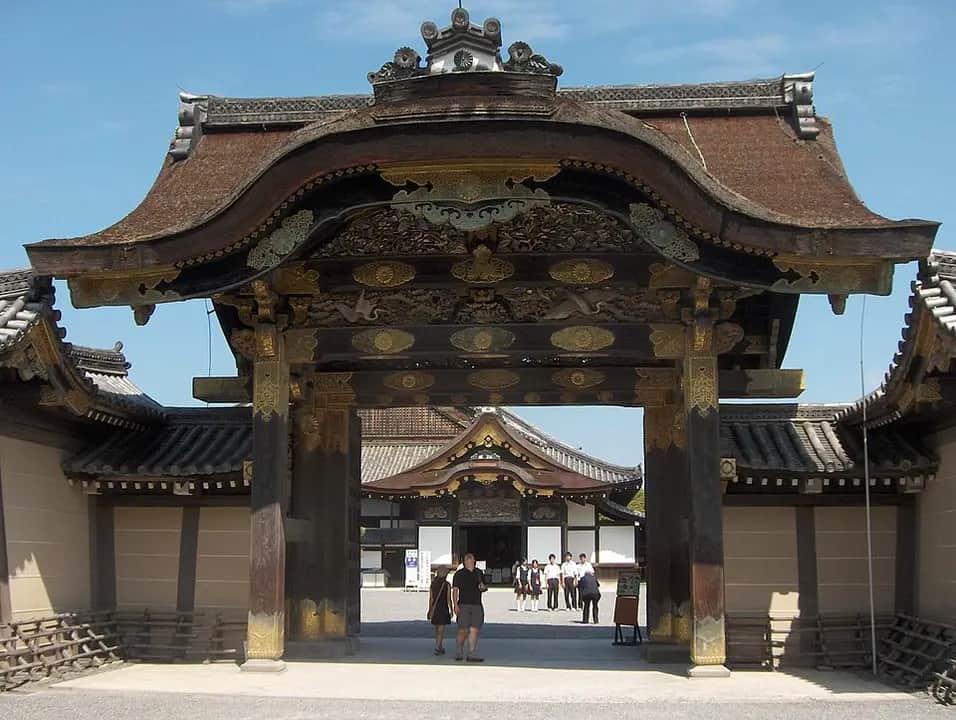
Nijo Castle
A UNESCO World Heritage Site featuring lavishly decorated palace buildings with famous 'nightingale floors' that chirp when walked upon as a security measure. The castle gardens are masterpieces of traditional Japanese landscaping.
Highlights
- Nightingale Floors
- Ninomaru Palace
- Castle Gardens
Ryoan-ji Temple
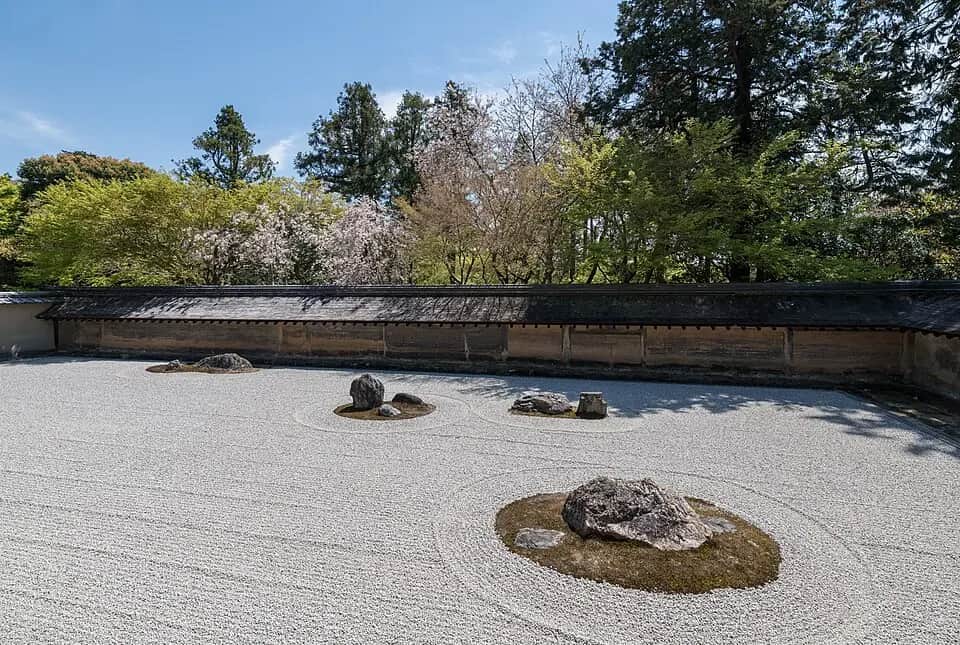
Ryoan-ji Temple
Home to Japan's most famous Zen rock garden, featuring 15 carefully placed stones on raked white gravel. This contemplative space is designed so that one stone is always hidden from any viewing angle, inviting meditation and interpretation.
Highlights
- Zen Rock Garden
- Moss Garden
- Kyoyochi Pond
Philosopher's Path
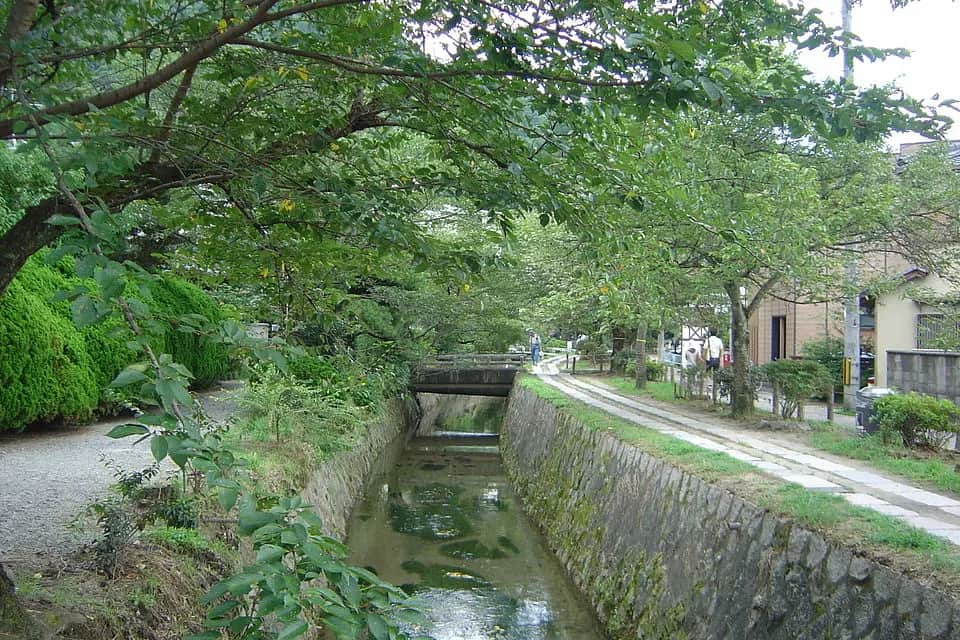
Philosopher's Path
A picturesque stone path along a cherry-tree-lined canal, connecting Ginkaku-ji to Nanzen-ji. Named after philosopher Nishida Kitaro who meditated here during daily walks, it's especially magical during cherry blossom season.
Highlights
- Cherry Blossoms
- Canal Walk
- Small Temples & Cafes
Nishiki Market
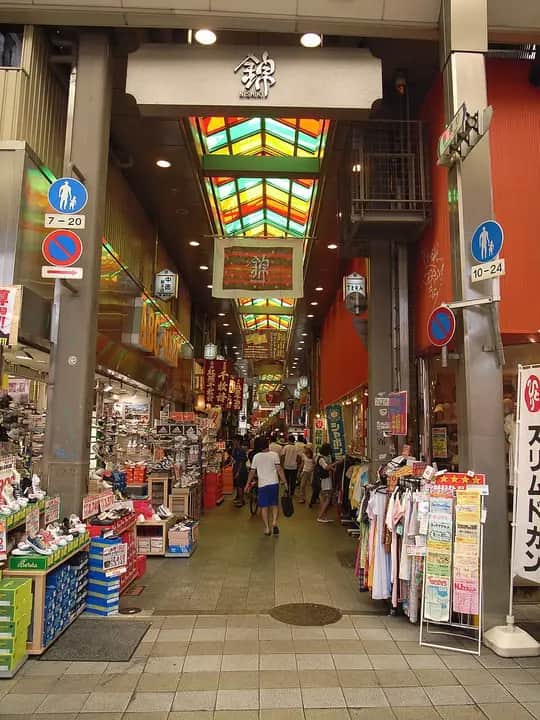
Nishiki Market
Known as 'Kyoto's Kitchen,' this 400-year-old covered market stretches five blocks with over 100 shops selling fresh seafood, Kyoto vegetables, pickles, sweets, and kitchenware. Perfect for sampling local delicacies and food culture.
Highlights
- Street Food Tasting
- Kyoto Pickles
- Fresh Produce
Ginkaku-ji (Silver Pavilion)
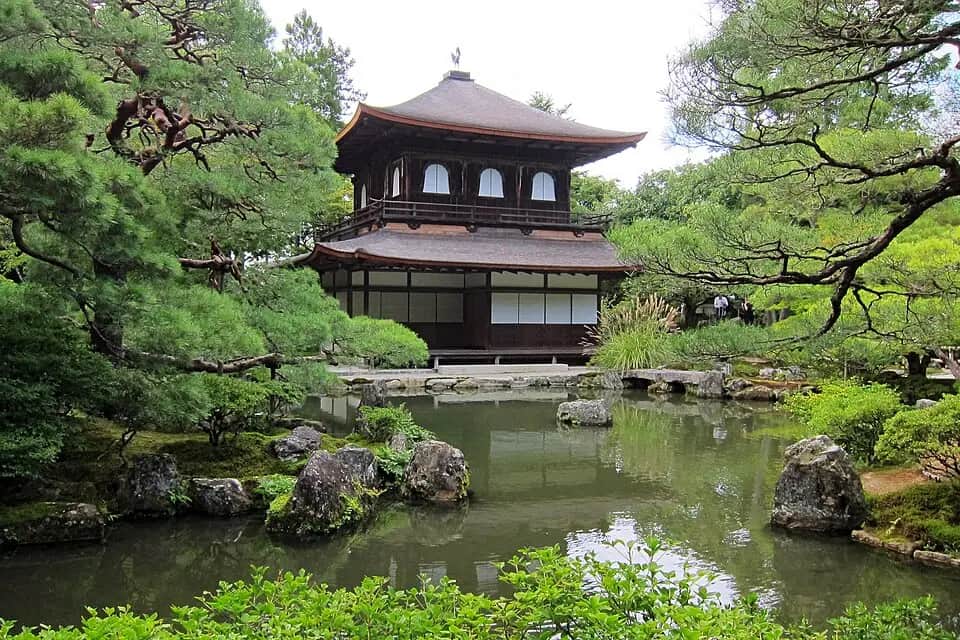
Ginkaku-ji (Silver Pavilion)
Despite its name, this temple was never covered in silver, yet its understated elegance embodies wabi-sabi aesthetic. The meticulously maintained sand garden and moss-covered grounds create a serene atmosphere for contemplation.
Highlights
- Sand Garden
- Moss Garden
- Mountain Trail
Spring (Cherry Blossom)
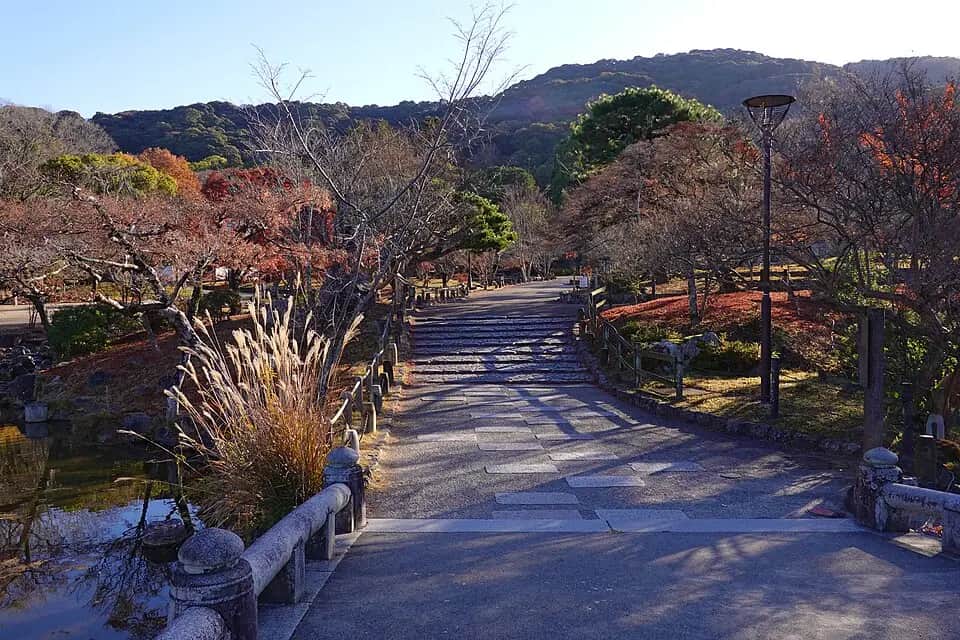
Maruyama Park
Maruyama Park
Kyoto's most popular hanami spot, centered around a magnificent weeping cherry tree that is illuminated at night. The park becomes alive with food stalls and picnickers during blossom season.
Highlights
- Weeping Cherry Tree
- Night Illumination
- Food Stalls
Philosopher's Path
Philosopher's Path
Hundreds of cherry trees create a pink canopy over the canal during spring. The 2km path offers a quintessential Kyoto cherry blossom experience with fewer crowds than major temples.
Highlights
- Cherry Tunnel
- Canal Reflections
- Temple Hopping
Heian Shrine Gardens
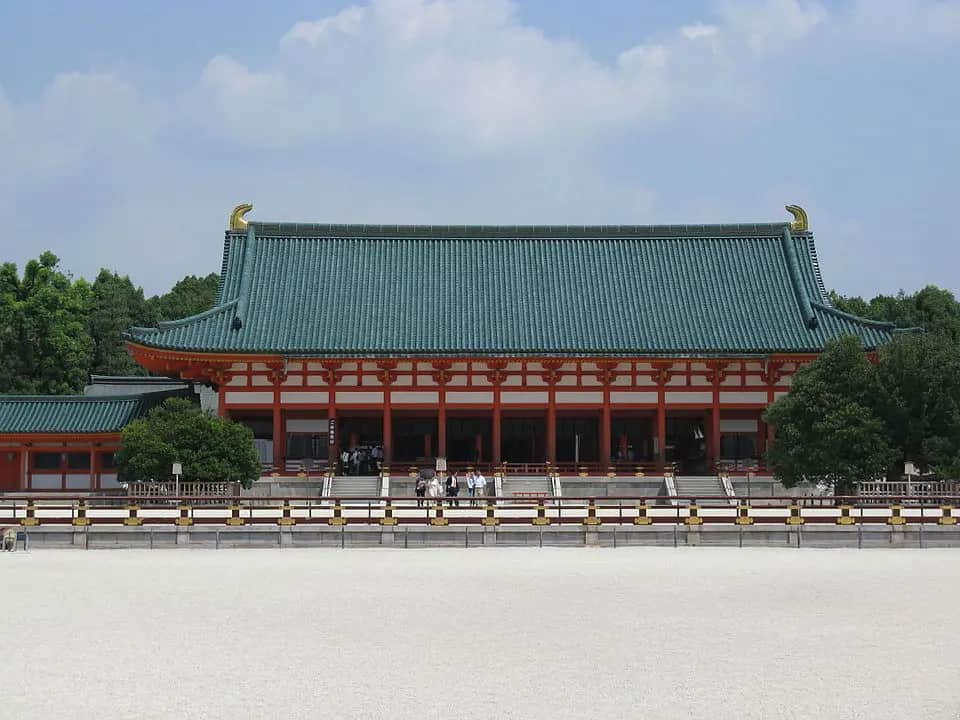
Heian Shrine Gardens
The shrine's vast gardens feature over 300 weeping cherry trees that bloom slightly later than other varieties, extending the viewing season. The reflection on the pond creates stunning photo opportunities.
Highlights
- Weeping Cherries
- Garden Pond
- Late Blooming
Daigo-ji Temple
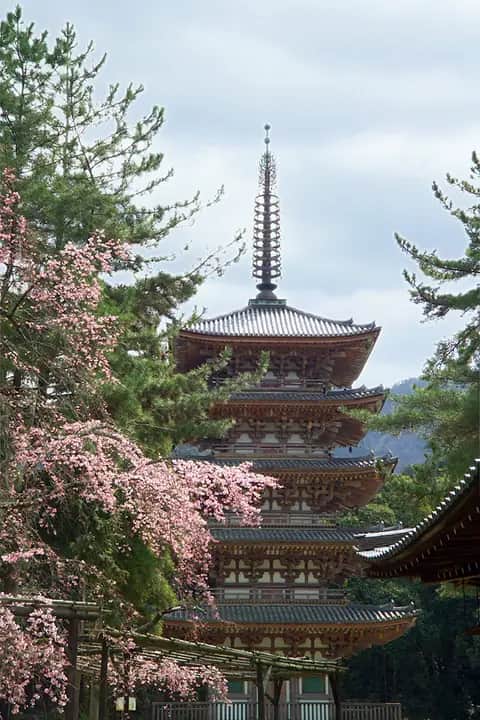
Daigo-ji Temple
A UNESCO site famous for its spectacular cherry blossom displays that once attracted warlord Toyotomi Hideyoshi. The temple grounds feature hundreds of trees of various varieties across multiple gardens.
Highlights
- Historic Hanami Site
- Five-Story Pagoda
- Multiple Gardens
Frequently Asked Questions
Spring (late March to mid-April) for cherry blossoms and autumn (mid-November to early December) for stunning red maple foliage are the most popular times. These seasons can be crowded, so book accommodation well in advance. Winter offers a peaceful atmosphere with occasional snow-covered temples.
Buses are the most comprehensive way to reach major sights. Purchase a one-day bus pass for unlimited rides. The subway covers limited areas but is efficient. Renting a bicycle is excellent for exploring flat areas like eastern Kyoto. The JR and private rail lines connect outer areas like Arashiyama and Fushimi Inari.
A minimum of 3 days is recommended to see major highlights, but 5-7 days allows for a more relaxed pace and exploration of lesser-known gems. Many travelers use Kyoto as a base for day trips to Nara, Osaka, and Hiroshima.
Remove shoes before entering buildings (lockers or bags are usually provided). Bow at shrine gates, purify hands at water basins, and avoid taking photos where prohibited. Dress modestly, speak quietly, and never touch sacred objects. Some temples charge small entrance fees (300-600 yen typically).
The Gion and Pontocho districts offer the best chances to spot geiko (Kyoto term for geisha) and maiko (apprentices) heading to appointments, especially around 6pm. Never block their path, grab them, or chase them for photos. For a guaranteed experience, book a maiko dinner or tea ceremony through a reputable agency.