
All-Time Best
Tower of London
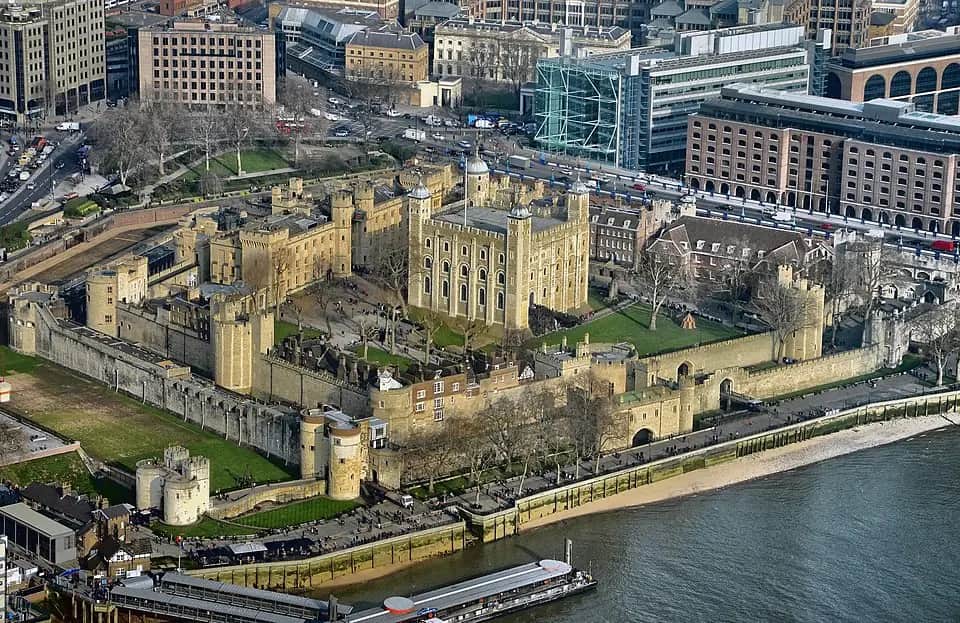
Tower of London
A historic castle founded in 1066 as part of the Norman Conquest. The White Tower was built by William the Conqueror in 1078. It has served as a royal residence, a prison, an armory, and is now home to the Crown Jewels of England. The Yeoman Warders (Beefeaters) offer fascinating guided tours.
Highlights
- Crown Jewels
- White Tower
- Beefeater Tours
- Ravens
British Museum
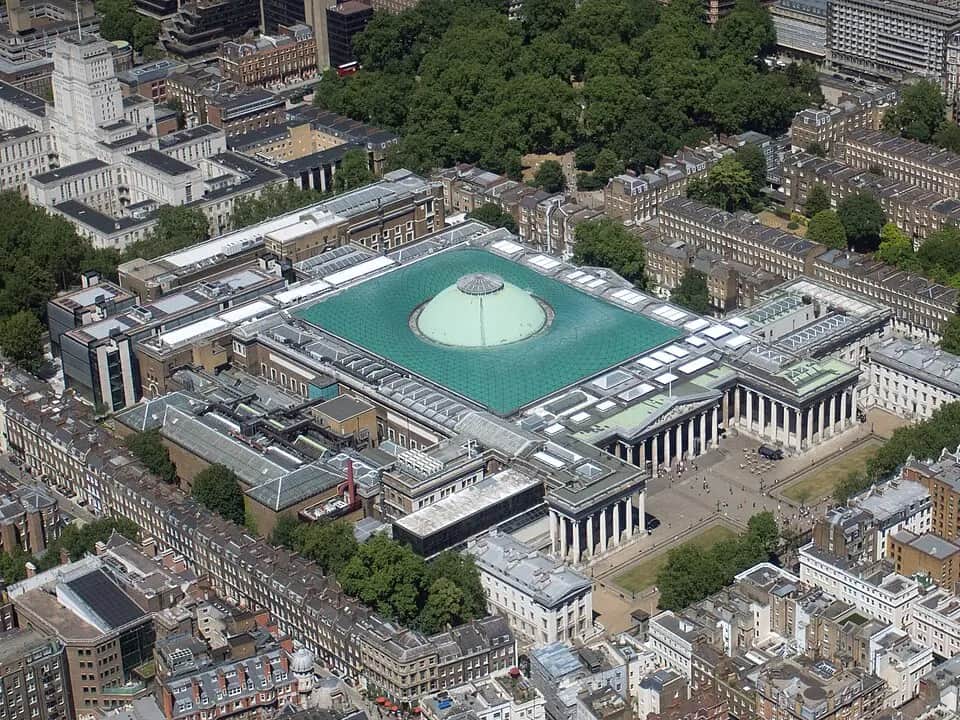
British Museum
A world-famous museum dedicated to human history, art, and culture. Its permanent collection of some eight million works is among the largest and most comprehensive in existence. Key highlights include the Rosetta Stone, the Elgin Marbles, Egyptian mummies, and the stunning Great Court.
Highlights
- Rosetta Stone
- Elgin Marbles
- Egyptian Mummies
- Great Court
Buckingham Palace
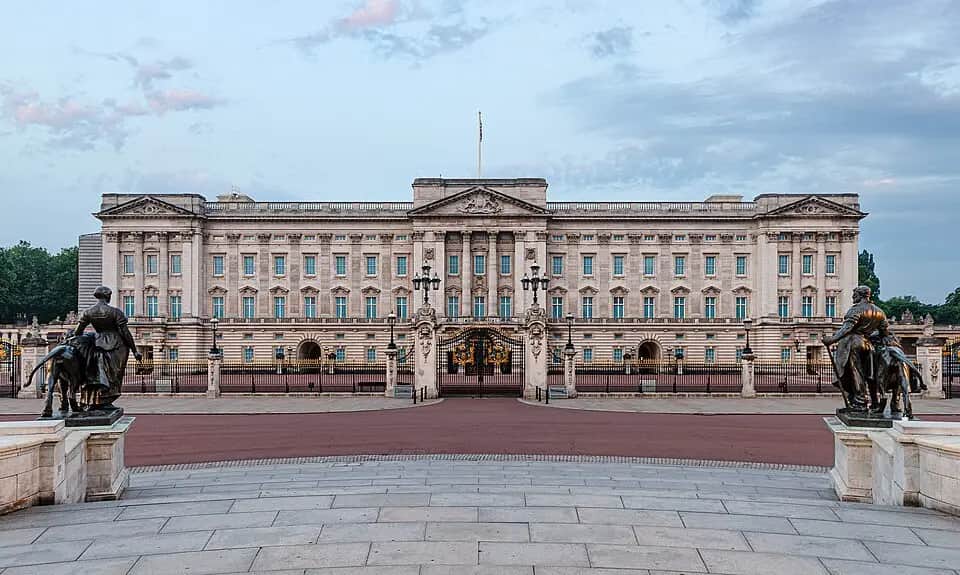
Buckingham Palace
The London residence and administrative headquarters of the monarch of the United Kingdom. Located in the City of Westminster, the palace is often at the centre of state occasions and royal hospitality. Visitors can watch the famous Changing of the Guard ceremony and tour the State Rooms during summer opening.
Highlights
- Changing of the Guard
- State Rooms
- Royal Mews
- Queen's Gallery
Westminster Abbey
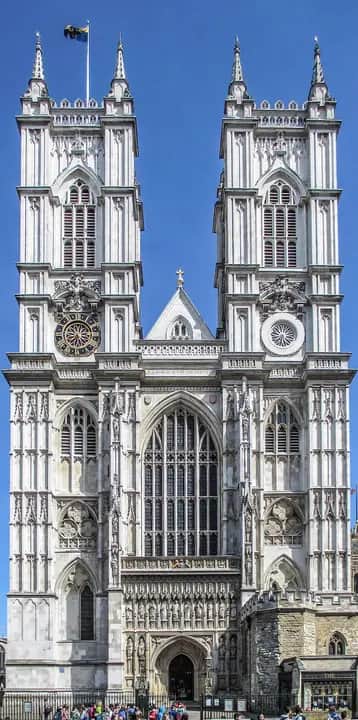
Westminster Abbey
A large, mainly Gothic abbey church in the City of Westminster. It is one of the United Kingdom's most notable religious buildings and the traditional place of coronation and burial site for English and British monarchs. The stunning architecture and rich history make it a must-visit.
Highlights
- Coronation Chair
- Poets' Corner
- Lady Chapel
- Chapter House
London Eye
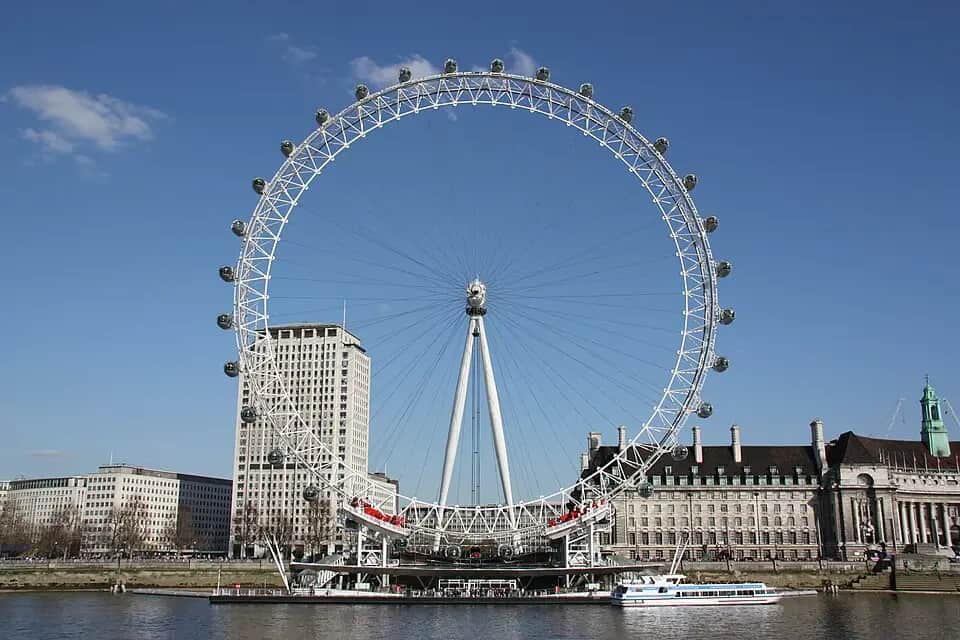
London Eye
A cantilevered observation wheel on the South Bank of the River Thames. At 135 meters, it is Europe's tallest cantilevered observation wheel, offering breathtaking 360-degree views of the capital including Big Ben, the Houses of Parliament, and St Paul's Cathedral.
Highlights
- 360° Panoramic Views
- Thames River Views
- Champagne Experience
- Night Flights
Tower Bridge
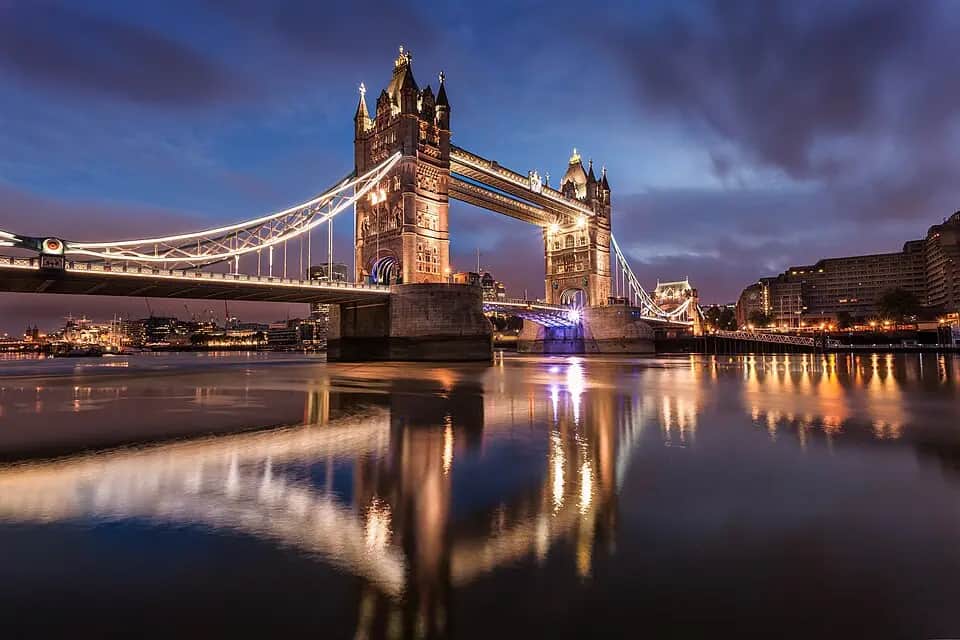
Tower Bridge
A combined bascule and suspension bridge built between 1886 and 1894. The bridge crosses the River Thames close to the Tower of London and has become an iconic symbol of London. Visitors can explore the high-level walkways with glass floors and the Victorian Engine Rooms.
Highlights
- Glass Floor Walkway
- Victorian Engine Rooms
- Bridge Lifts
- Thames Views
Natural History Museum
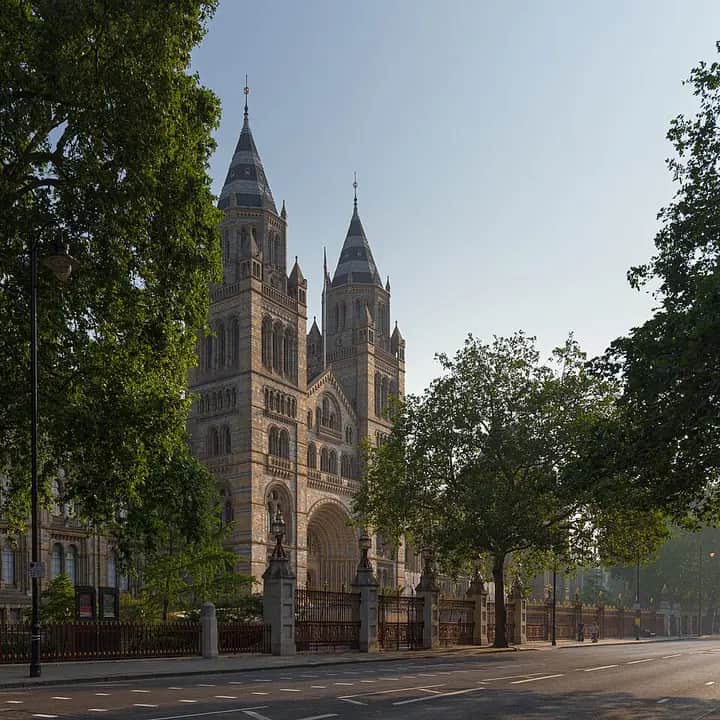
Natural History Museum
One of the world's leading museums of natural history, home to approximately 80 million specimens. The stunning Romanesque architecture houses incredible exhibits including dinosaur skeletons, the blue whale model, and an extensive collection of minerals and gems.
Highlights
- Dippy the Dinosaur
- Blue Whale
- Wildlife Garden
- Hintze Hall
Borough Market
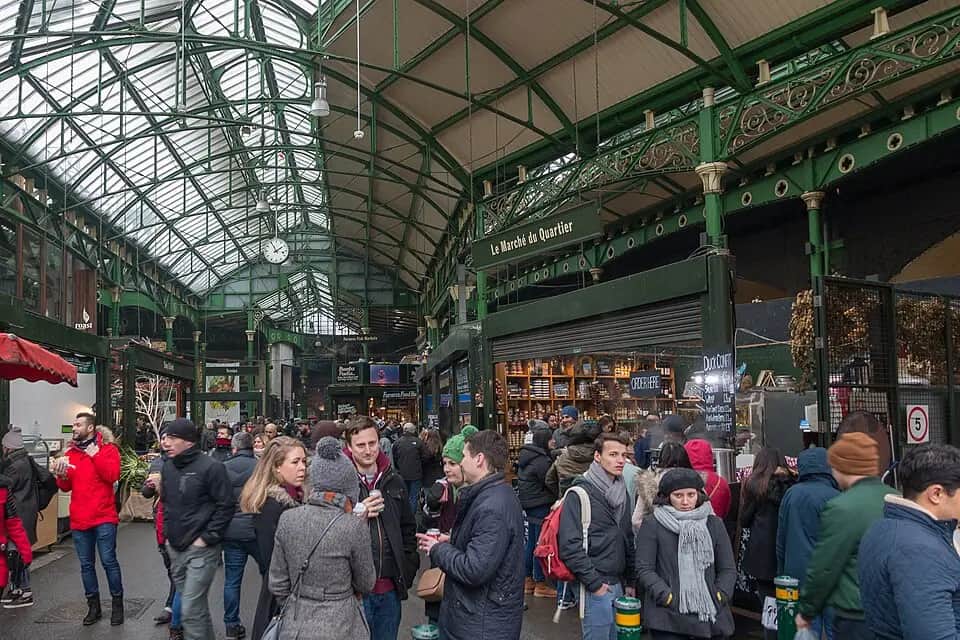
Borough Market
One of the largest and oldest food markets in London, with a market on the site dating back to at least the 12th century. Located in Southwark on the southern bank of the Thames, it's a haven for foodies, offering fresh produce, artisanal goods, and delicious street food from around the world.
Highlights
- Fresh Produce
- Street Food
- Artisan Cheese
- Specialty Coffee
Hyde Park
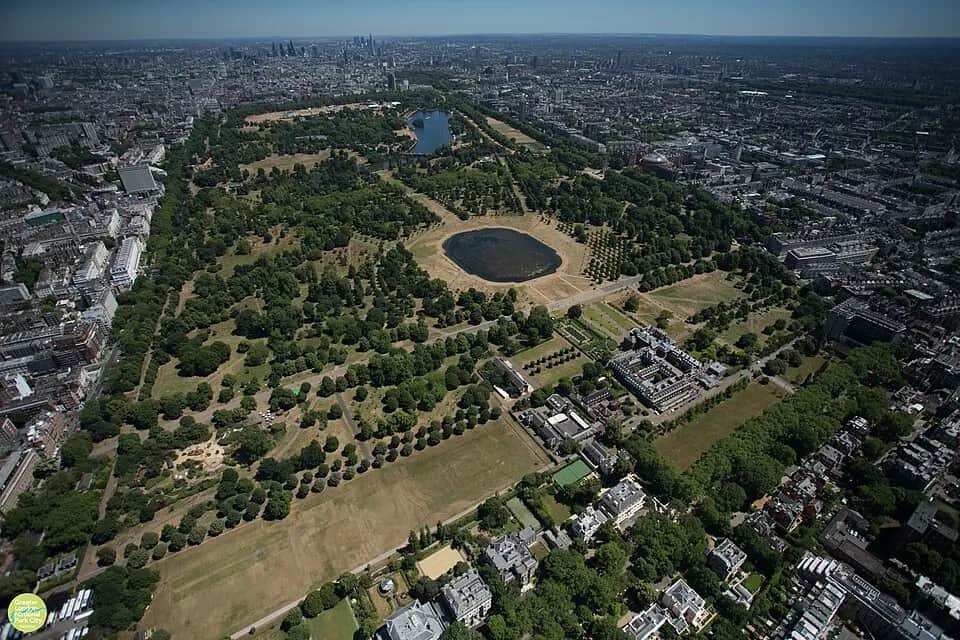
Hyde Park
A major park in Central London and one of the largest Royal Parks, covering 350 acres. Famous for its Speakers' Corner, the Serpentine Lake for boating, and beautiful gardens. It's the perfect escape from the urban hustle, offering walking paths, cafes, and outdoor events.
Highlights
- Serpentine Lake
- Speakers' Corner
- Diana Memorial Fountain
- Winter Wonderland
St Paul's Cathedral
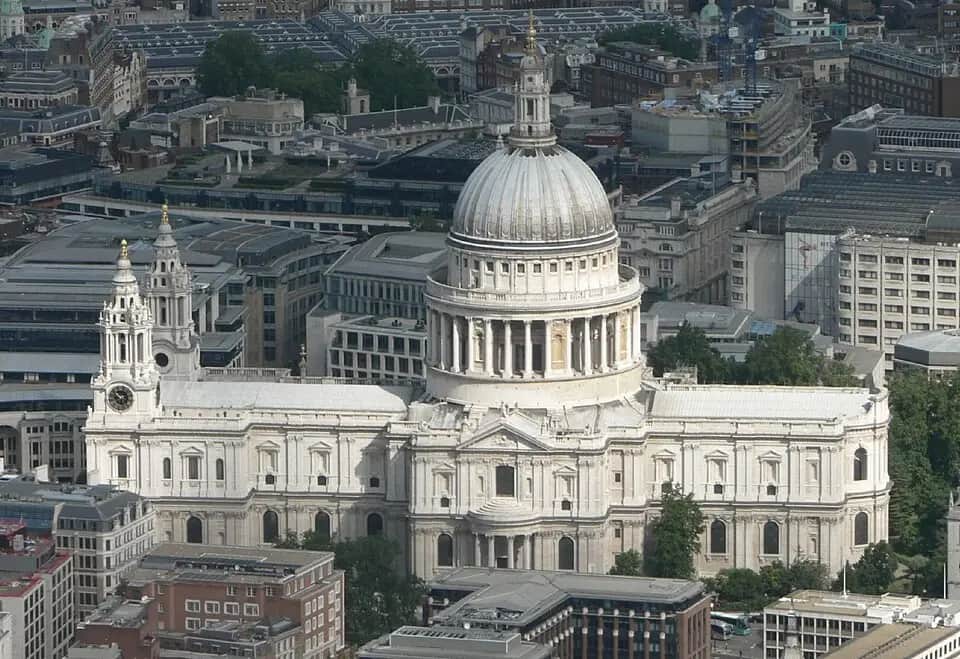
St Paul's Cathedral
An Anglican cathedral and seat of the Bishop of London, designed by Sir Christopher Wren in the English Baroque style. Its iconic dome has dominated the London skyline for over 300 years. Visitors can climb to the top for spectacular city views and explore the historic crypt.
Highlights
- The Dome
- Whispering Gallery
- Golden Gallery
- Crypt
Frequently Asked Questions
The best time to visit London is from March to May when the temperatures are mild and the city's parks are green and blooming. Late spring (May) and summer (June to August) are also popular but can be crowded. December is magical for Christmas lights and markets.
London has an excellent public transport system. The London Underground (the Tube) is the fastest way to travel. Buses are great for sightseeing, and the Overground and DLR serve other areas. Contactless payment or an Oyster card is the easiest way to pay for travel.
If you plan to visit many paid attractions like the Tower of London, Westminster Abbey, and the view from the Shard in a short period, the London Pass can save you money and time. Calculate the cost of individual tickets versus the pass price for your itinerary to decide.
Many of London's major museums and galleries are free to enter for permanent exhibitions. This includes the British Museum, the Natural History Museum, the Science Museum, the National Gallery, and the Tate Modern. Special exhibitions may require a ticket.
To see the main sights, a minimum of 3 to 4 days is recommended. This allows enough time to visit the major landmarks, explore a few museums, and enjoy some of the city's parks and markets. If you want to take day trips to nearby places like Windsor or Oxford, plan for 5 to 7 days.