
All-Time Best
Grand Palace
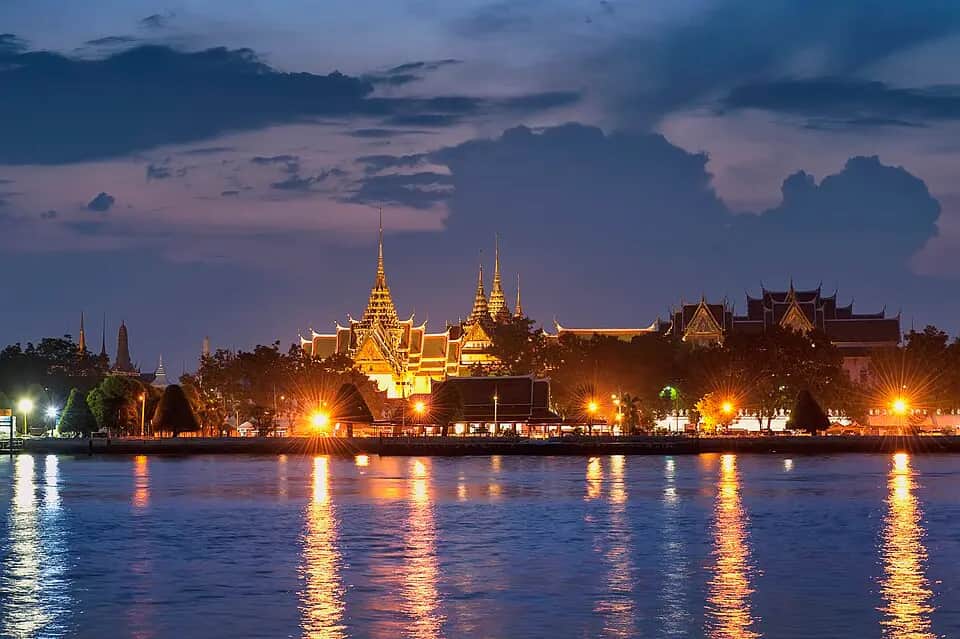
Grand Palace
The spectacular Grand Palace is undoubtedly the most famous landmark in Bangkok. Built in 1782, it was the home of the Thai King, the Royal court, and the administrative seat of government for 150 years. The complex remains the spiritual heart of the Thai Kingdom and includes the Temple of the Emerald Buddha (Wat Phra Kaew).
Highlights
- Wat Phra Kaew
- Emerald Buddha
- Royal Reception Halls
Wat Pho (Temple of the Reclining Buddha)
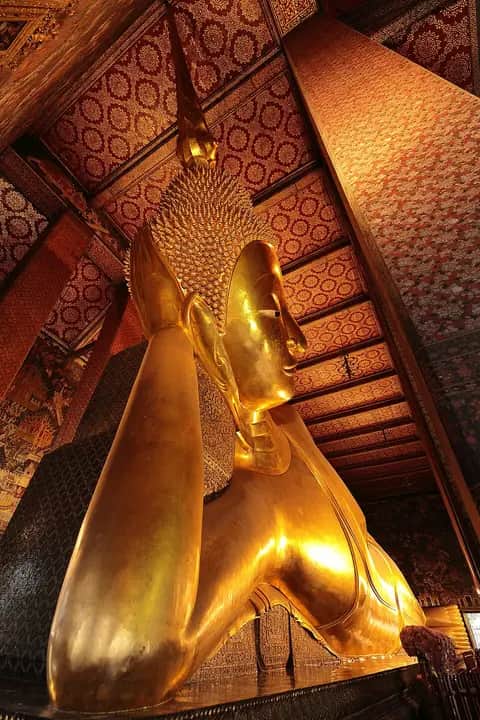
Wat Pho (Temple of the Reclining Buddha)
Located directly south of the Grand Palace, Wat Pho is home to the massive Reclining Buddha, which measures 46 meters long and is covered in gold leaf. It is also known as Thailand's first public university and the birthplace of traditional Thai massage.
Highlights
- Reclining Buddha
- Thai Massage School
- 108 Bronze Bowls
Wat Arun (Temple of Dawn)
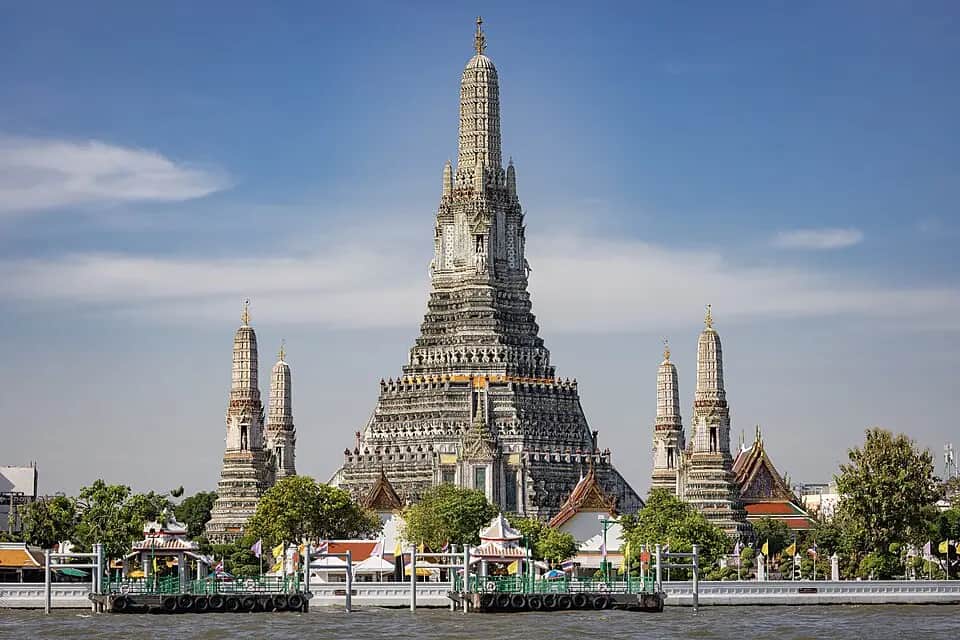
Wat Arun (Temple of Dawn)
Situated on the west bank of the Chao Phraya River, Wat Arun is one of the most stunning temples in Bangkok, not only because of its riverside location but also because the design is very different from other temples. Its central prang (spire) is encrusted with colorful porcelain and seashells.
Highlights
- Central Prang
- River Views
- Porcelain Decorations
Chatuchak Weekend Market
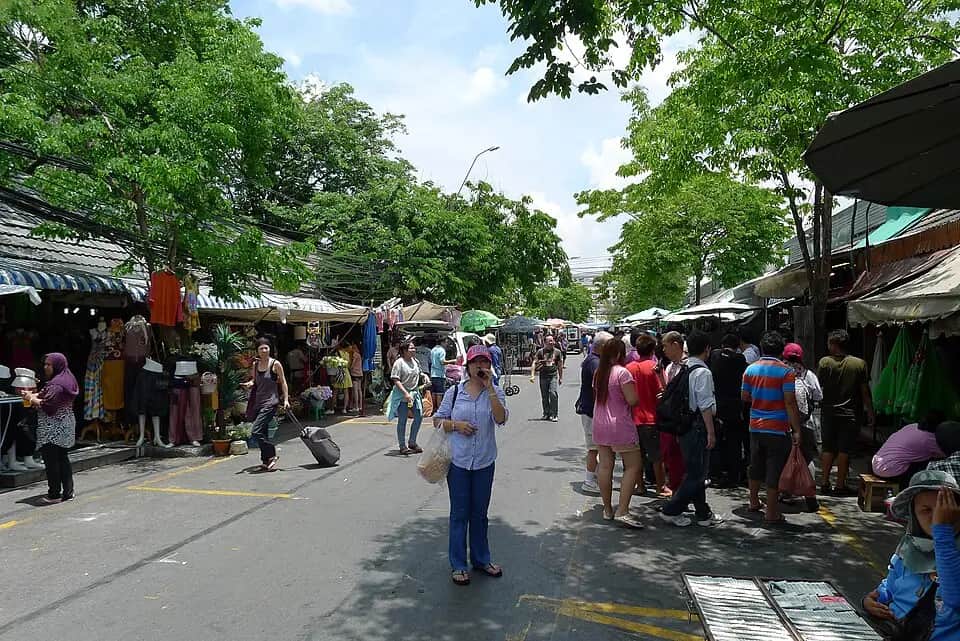
Chatuchak Weekend Market
Home to more than 8,000 market stalls, Chatuchak is one of the largest markets in the world. On a typical weekend, more than 200,000 visitors come here to sift through the goods on offer, ranging from clothing and handicrafts to ceramics, furniture, and exotic plants.
Highlights
- 8000+ Stalls
- Thai Handicrafts
- Street Food
Khao San Road
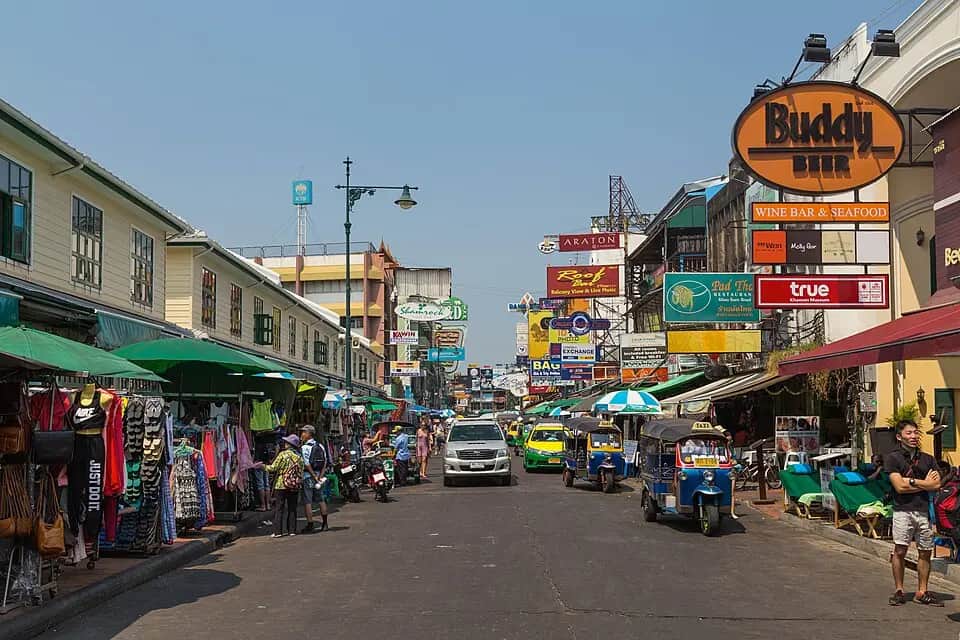
Khao San Road
Bangkok's backpacker central, Khao San Road is a short street packed with budget guesthouses, internet cafes, bars, clubs, restaurants, massage parlors, travel agents, and market stalls. It's famous for its chaotic, high-energy atmosphere and has become a must-visit destination for travelers.
Highlights
- Nightlife Scene
- Street Food
- Backpacker Culture
Jim Thompson House
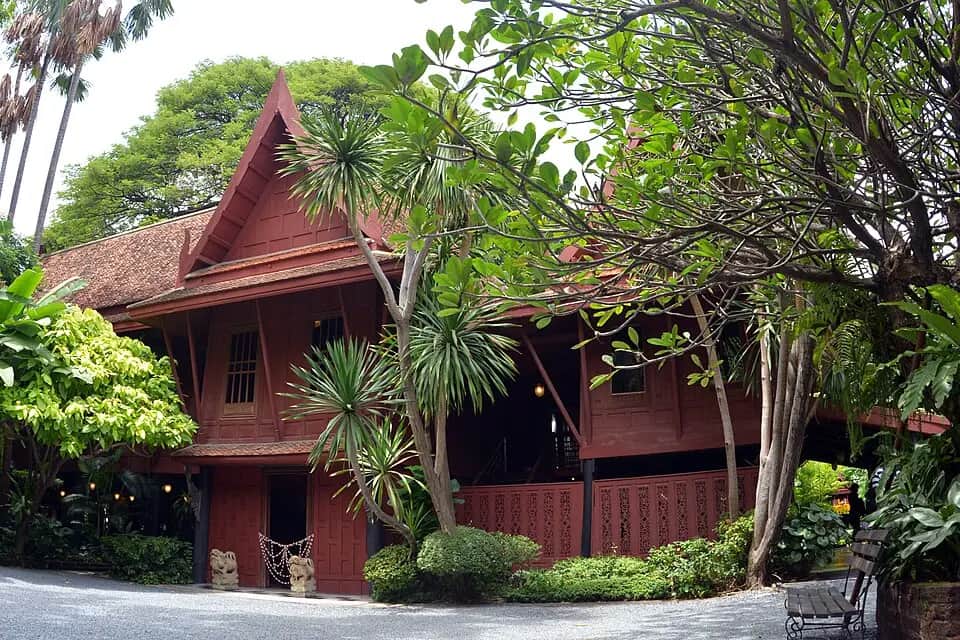
Jim Thompson House
The former home of James H.W. Thompson, the American businessman who helped revitalize the Thai silk industry in the 1950s. The museum consists of six traditional Thai-style houses made of teak wood, set amidst lush tropical gardens and filled with his impressive art collection.
Highlights
- Teak Houses
- Silk Collection
- Tropical Gardens
Damnoen Saduak Floating Market
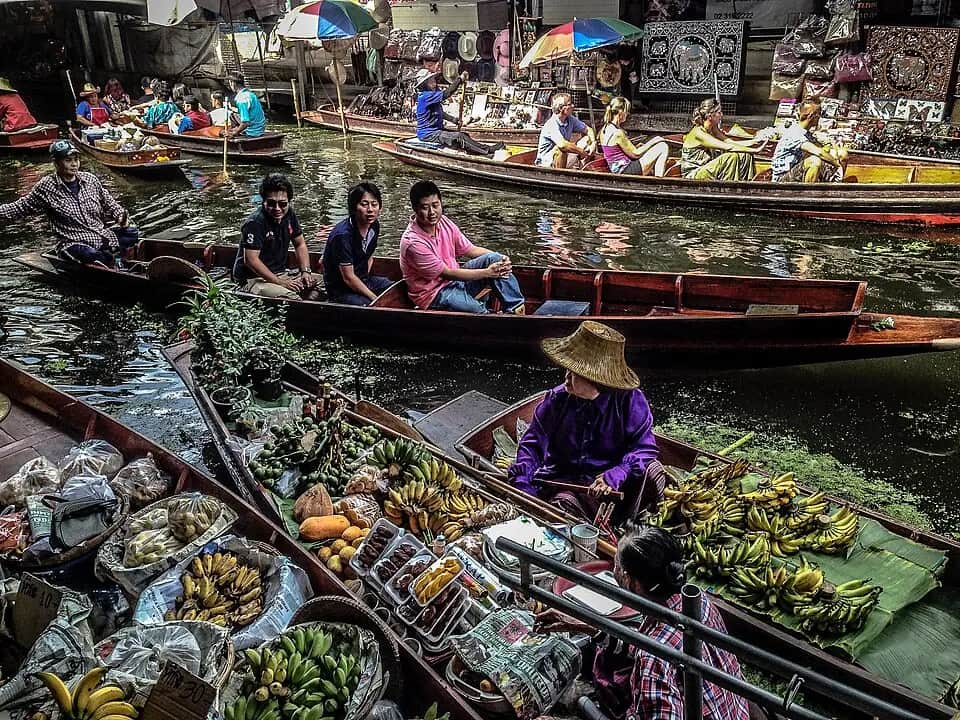
Damnoen Saduak Floating Market
The most famous of Thailand's floating markets, located about 100 kilometers southwest of Bangkok. It offers a unique shopping experience where vendors sell fresh fruits, vegetables, Thai food, and souvenirs directly from their wooden boats on the canal. A quintessential Thai experience.
Highlights
- Boat Shopping
- Fresh Tropical Fruits
- Photo Opportunities
Chinatown (Yaowarat)
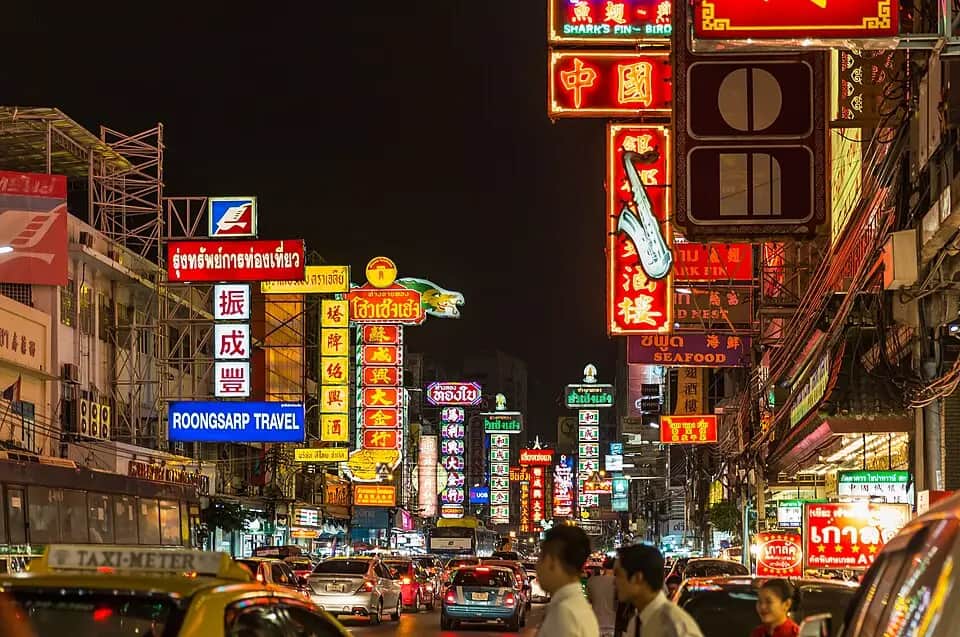
Chinatown (Yaowarat)
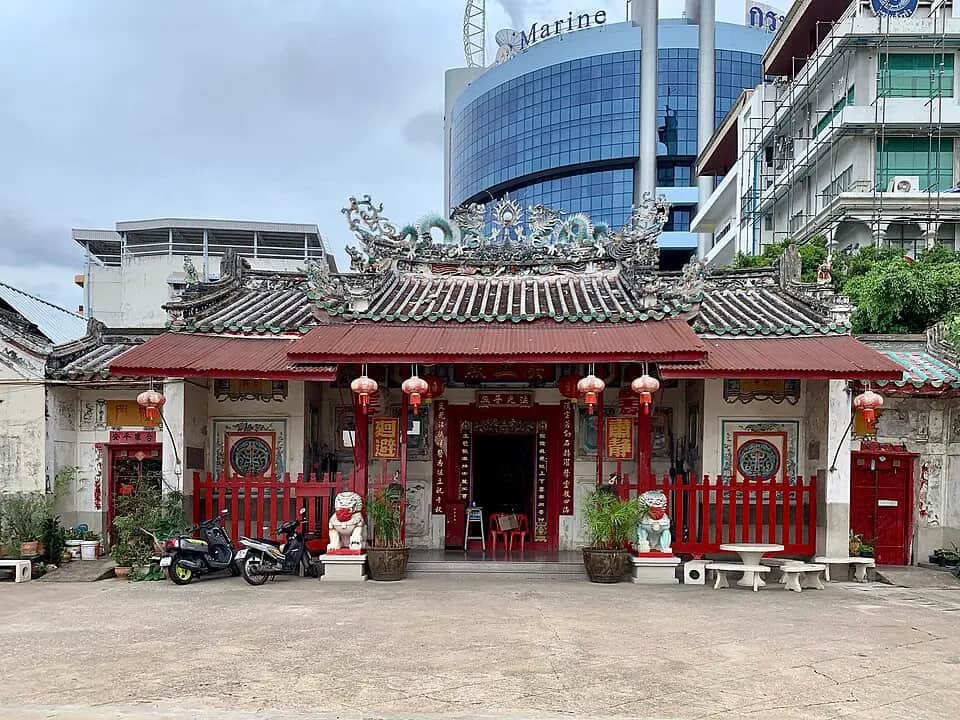
Bangkok's Chinatown is a vibrant, bustling neighborhood known for its high concentration of gold shops, traditional Chinese medicine stores, and incredible street food. At night, Yaowarat Road transforms into one of the largest street food spots in the world, offering everything from dim sum to bird's nest soup.
Highlights
- Street Food Heaven
- Gold Shops
- Night Markets
Lumphini Park
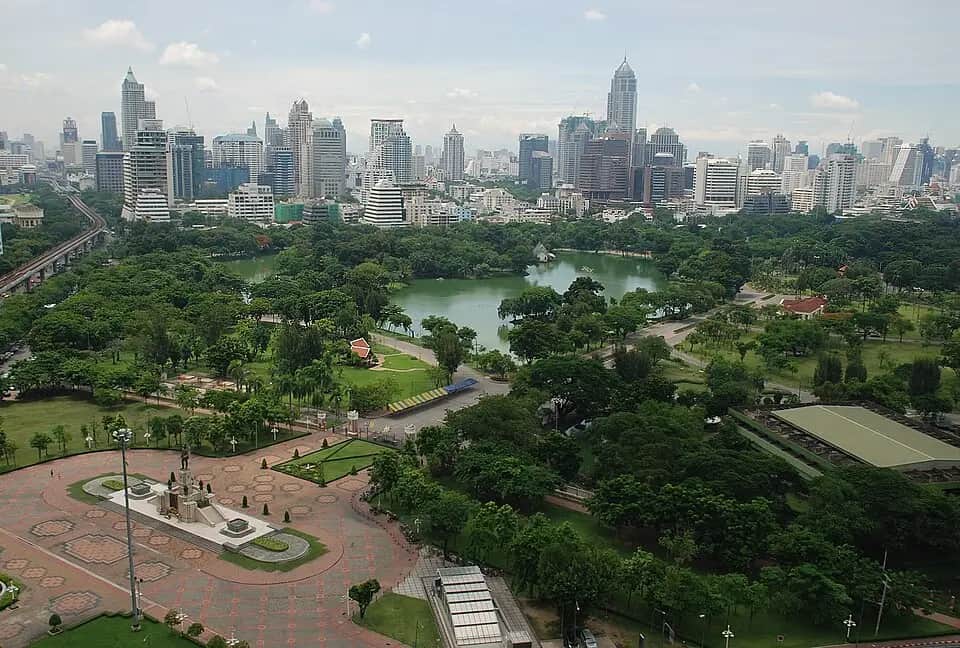
Lumphini Park
This rare open public space in the city center offers a respite from the hustle and bustle of Bangkok. It's a great place to jog, rent a paddleboat, or just watch the locals practicing Tai Chi. Monitor lizards are often spotted roaming freely, adding to the park's unique character.
Highlights
- Paddleboats
- Monitor Lizards
- Morning Tai Chi
ICONSIAM
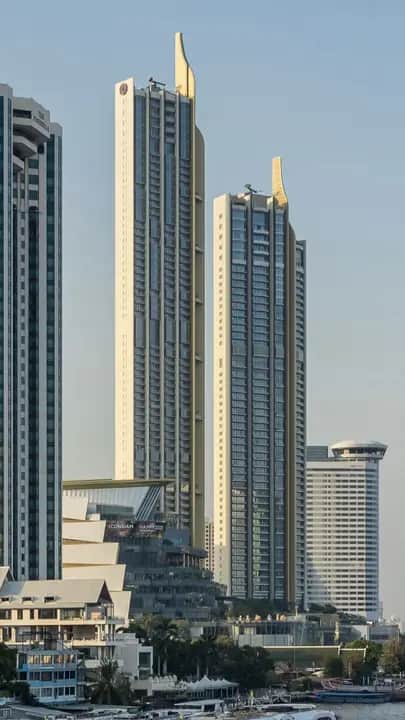
ICONSIAM
A luxury shopping mall and mixed-use development on the banks of the Chao Phraya River. ICONSIAM features over 500 stores, an indoor floating market showcasing Thai culture, world-class restaurants, and the first Apple Store in Thailand. The riverside location offers stunning views.
Highlights
- Indoor Floating Market
- Riverside Views
- Luxury Shopping
Frequently Asked Questions
The best time to visit is during the cool and dry season from November to February. March to May can be extremely hot, while the rainy season lasts from June to October.
The BTS Skytrain and MRT Metro are the fastest and most comfortable ways to avoid traffic. For short distances or a unique experience, try a Tuk-tuk (agree on the price first) or the Chao Phraya Express Boat.
Generally, yes. It's world-famous for a reason. Look for stalls with high turnover and fresh ingredients. Avoid tap water and ice if you have a sensitive stomach, though most ice is produced hygienically.
Temples like the Grand Palace require modest dress. Men must wear long pants and shirts with sleeves. Women must cover knees and shoulders. No see-through clothes or torn jeans.
The currency is the Thai Baht (THB). Cash is king for street food and markets, while malls and hotels widely accept credit cards.