All-Time Best
Fushimi Inari Taisha
Fushimi Inari Taisha
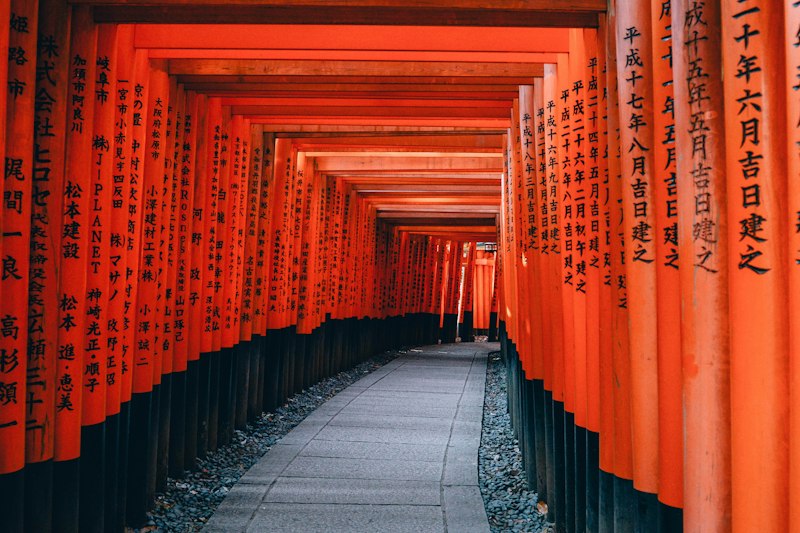
Thousands of vermillion torii gates create an otherworldly tunnel up Mount Inari. The iconic pathway stretches 4km through the forest, with stunning viewpoints along the way offering panoramic views of Kyoto below.
Highlights
- 10,000+ torii gates
- Yotsutsuji intersection viewpoint
- Sunrise photography
- Mountain summit panorama
Kinkaku-ji (Golden Pavilion)
Kinkaku-ji (Golden Pavilion)
The iconic three-story golden pavilion reflecting perfectly in the surrounding pond creates one of Japan's most photographed scenes. The garden setting with meticulously manicured trees frames this UNESCO World Heritage masterpiece.
Highlights
- Mirror Pond reflection
- Gold leaf covered pavilion
- Traditional Japanese garden
- Morning light photography
Arashiyama Bamboo Grove
Arashiyama Bamboo Grove
Walk through towering bamboo stalks that seem to reach endlessly toward the sky. The filtered green light and gentle rustling sounds create an ethereal atmosphere that has captivated visitors for centuries.
Highlights
- Towering bamboo canopy
- Early morning without crowds
- Nearby Tenryu-ji Temple
- Togetsukyo Bridge views
Kiyomizu-dera Temple
Kiyomizu-dera Temple
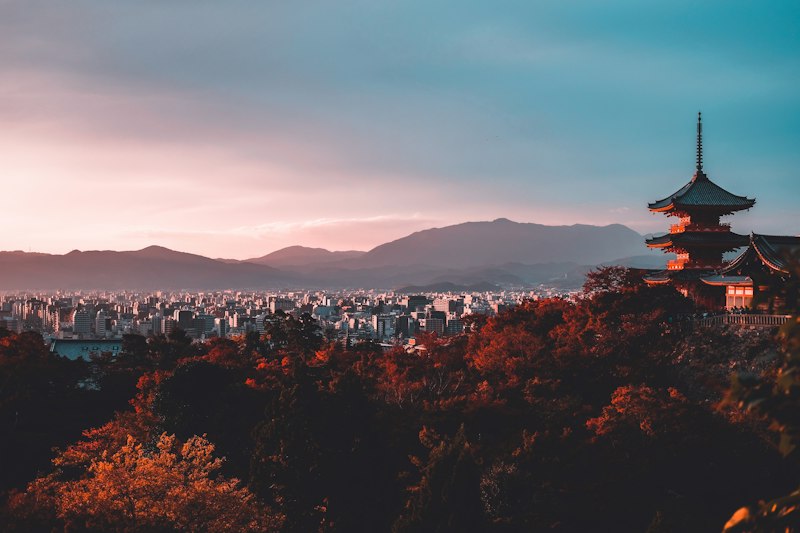
The massive wooden stage of this hillside temple offers breathtaking panoramic views of Kyoto's eastern mountains and city skyline. The engineering marvel, built without a single nail, seems to float above the valley below.
Highlights
- Wooden stage viewpoint
- City and mountain panorama
- Sunset golden hour
- Seasonal illuminations
Ginkaku-ji (Silver Pavilion)
Ginkaku-ji (Silver Pavilion)
While never actually covered in silver, this elegant pavilion and its perfectly raked sand garden represent the refined aesthetics of Japanese beauty. The moss-covered garden paths offer intimate viewpoints of this understated masterpiece.
Highlights
- Raked sand garden (Ginshadan)
- Moss garden viewpoints
- Hillside walking paths
- Philosopher's Path connection
Kyoto Tower
Kyoto Tower
Rising 131 meters above Kyoto Station, this observation tower offers 360-degree views of the ancient capital and surrounding mountains. The unique candlestick design has become a modern landmark visible throughout the city.
Highlights
- 360-degree city views
- Mountain backdrop
- Night views of Kyoto
- Clear day visibility to Osaka
Philosopher's Path
Philosopher's Path
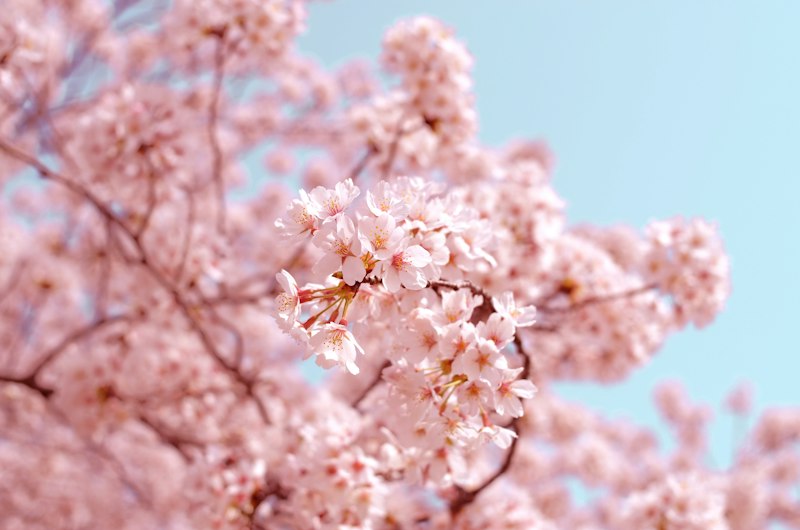
This scenic 2km stone path follows a canal lined with hundreds of cherry trees through Kyoto's eastern hills. Named after the philosopher Nishida Kitaro who used it for daily meditation, it connects several beautiful temples.
Highlights
- Canal-side cherry trees
- Temple connections
- Quiet morning walks
- Traditional tea houses
Nijo Castle
Nijo Castle
The ornate Ninomaru Palace and surrounding gardens showcase the power and artistry of the Tokugawa shoguns. The elevated viewpoints offer perspectives on traditional Japanese castle architecture and stunning landscape gardens.
Highlights
- Ninomaru Palace exterior
- Traditional gardens
- Cherry blossom season
- Night illuminations
Byodo-in Temple
Byodo-in Temple
This Phoenix Hall, featured on the Japanese 10-yen coin, appears to float above a lotus pond. The symmetrical architecture reflected in the water creates one of Japan's most serene and iconic views.
Highlights
- Phoenix Hall reflection
- 10-yen coin view
- Lotus pond setting
- Museum treasures
Shogunzuka Mound
Shogunzuka Mound
This lesser-known viewpoint offers one of the best panoramic views of Kyoto without the crowds. The wooden observation deck at Seiryuden Temple provides sweeping vistas of the entire city basin and surrounding mountains.
Highlights
- Glass observation deck
- Full city panorama
- Less crowded than downtown
- Stunning night views
Best of 2026
Rurikoin Temple
Rurikoin Temple
This small temple has gained fame for its stunning table reflection photography, where polished floors mirror the surrounding garden creating an otherworldly double image. Limited access preserves the intimate atmosphere.
Highlights
- Table reflection photography
- Limited visitor access
- Autumn colors reflection
- Peaceful zen atmosphere
Katsura Imperial Villa
Katsura Imperial Villa
Considered the pinnacle of Japanese garden design, this imperial retreat showcases masterful landscape architecture. Recent improved access makes this UNESCO-protected treasure more accessible to international visitors.
Highlights
- Stroll garden design
- Traditional architecture
- Moon-viewing platform
- Advance reservation required
Kennin-ji Temple Zen Garden
Kennin-ji Temple Zen Garden
Kyoto's oldest Zen temple features stunning rock gardens and ceiling dragons. The newly opened viewing areas offer contemplative perspectives on ancient zen aesthetics in the heart of Gion.
Highlights
- Twin Dragons ceiling painting
- Zen rock garden
- Circle-Triangle-Square garden
- Gion district location
Spring Views
Maruyama Park
Maruyama Park
Kyoto's most famous cherry blossom viewing spot centers around a magnificent weeping cherry tree that becomes illuminated at night. The park transforms into a festive hanami celebration ground each spring.
Highlights
- Giant weeping cherry tree
- Night illuminations
- Hanami picnic atmosphere
- Adjacent Yasaka Shrine
Heian Shrine Gardens
Heian Shrine Gardens
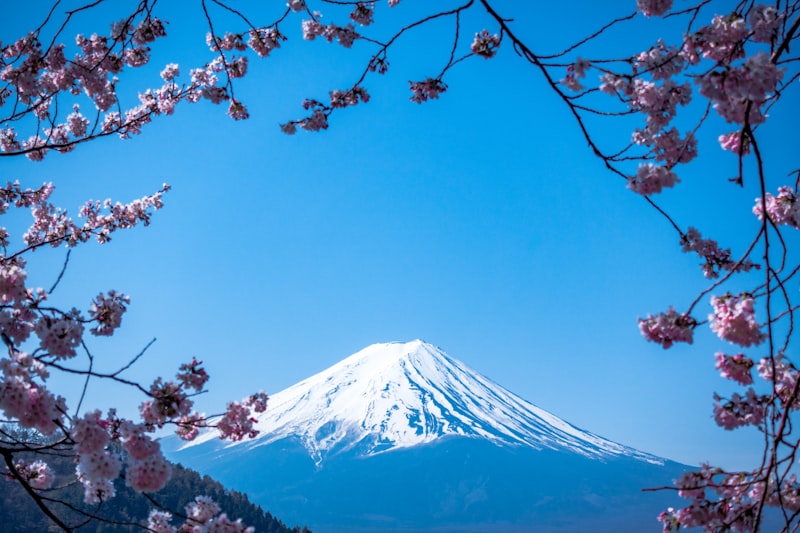
The vast gardens surrounding Heian Shrine feature over 300 weeping cherry trees that create cascading pink canopies reflected in tranquil ponds. The vermillion shrine buildings provide a stunning backdrop.
Highlights
- Weeping cherry reflections
- Stepping stone bridges
- Vermillion torii gate
- Concert during sakura season
Summer Views
Daimonji Mountain
Daimonji Mountain
Hike to the fire beds on Mount Daimonji for panoramic views of Kyoto. The mountain is famous for the Gozan no Okuribi fire festival in August when giant bonfires are lit on five surrounding mountains.
Highlights
- City panorama from fire beds
- August Gozan fire festival
- Sunrise viewpoint
- 40-minute hiking trail
Kamo River Evening Views
Kamo River Evening Views
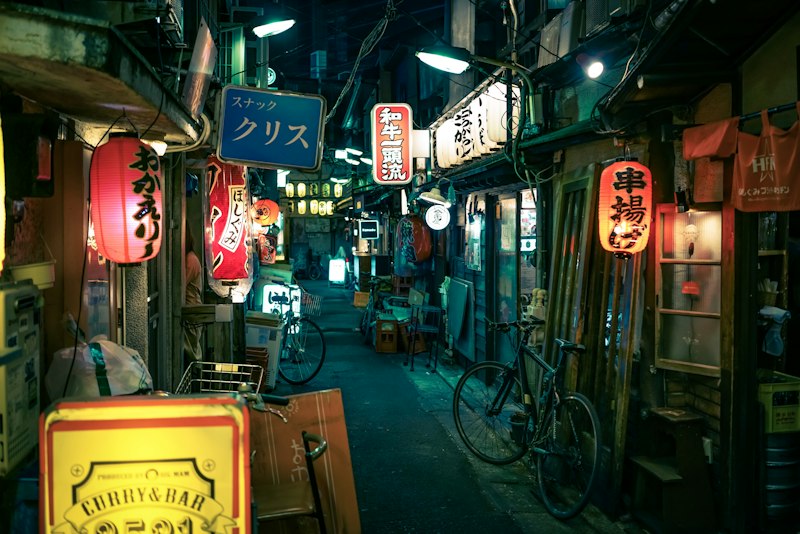
The banks of the Kamo River come alive on summer evenings with riverside dining platforms called kawayuka. Watch the sunset over the western mountains while cooling off by the water.
Highlights
- Kawayuka riverside platforms
- Mountain sunset views
- Cooling summer breezes
- Traditional atmosphere
Autumn Views
Tofuku-ji Temple
Tofuku-ji Temple
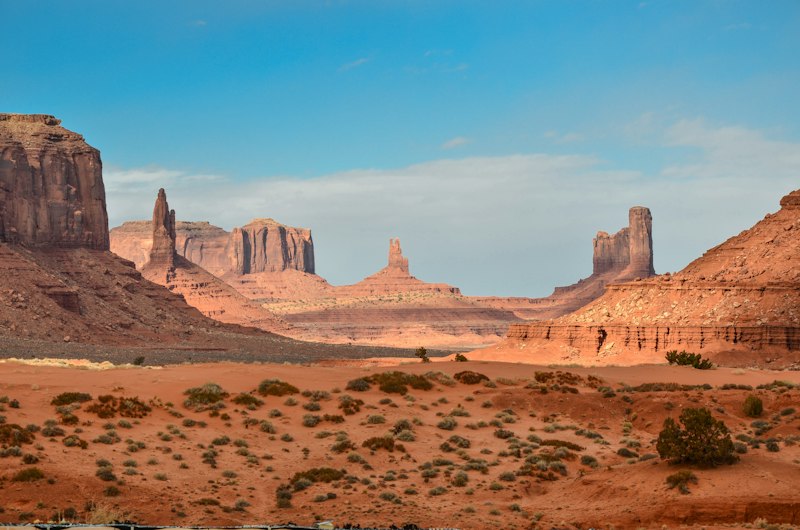
The Tsutenkyo Bridge offers one of Japan's most spectacular autumn views, spanning a valley filled with blazing red maple trees. The temple's five gardens showcase different aspects of Japanese garden design.
Highlights
- Tsutenkyo Bridge viewpoint
- 2,000 maple trees
- Five distinct gardens
- Peak color mid-November
Eikando Temple
Eikando Temple
Known as the Temple of Autumn Leaves, Eikando transforms into a sea of red and gold each November. Evening illuminations create magical reflections in the temple pond, drawing photographers from around the world.
Highlights
- Night illuminations
- Pond reflections
- Multi-level temple grounds
- Mikaeri Amida Buddha
Winter Views
Kinkaku-ji in Snow
Kinkaku-ji in Snow
The rare sight of the Golden Pavilion dusted with snow creates one of Japan's most magical winter views. The contrast of white snow against gold leaf, reflected in the frozen pond, is unforgettable.
Highlights
- Snow-capped golden pavilion
- Mirror pond winter reflection
- Early morning best
- Snow only few days per year
Hanatouro Illumination Walk

Hanatouro Illumination Walk
The annual Higashiyama Hanatouro festival lights up temple paths and historic streets with thousands of lanterns. This winter illumination event transforms the atmospheric district into a glowing wonderland.
Highlights
- Lantern-lit pathways
- Illuminated bamboo groves
- Temple night openings
- Traditional performances
Frequently Asked Questions
Shogunzuka Mound at Seiryuden Temple offers the best panoramic views of Kyoto with fewer crowds. The glass observation deck provides sweeping vistas of the entire city basin. For iconic views, Kiyomizu-dera's wooden stage is legendary, though more crowded. Kyoto Tower near the station offers 360-degree views and is easily accessible.
Arrive at sunrise (around 5-6 AM) for the best photography conditions at Fushimi Inari. The shrine is open 24 hours and is nearly empty at dawn. The soft morning light filtering through the torii gates creates magical conditions. Avoid weekends and midday when tour groups create crowded conditions in the famous gates.
Tofuku-ji Temple is considered the best for autumn colors, with the Tsutenkyo Bridge offering spectacular views over 2,000 maple trees. Eikando Temple is famous for night illuminations reflecting in ponds. Kiyomizu-dera combines autumn colors with city views. Peak colors typically occur mid to late November.
Yes, several excellent viewpoints are free. The Fushimi Inari hike offers panoramic views at Yotsutsuji intersection. Daimonji Mountain provides stunning city views from the fire beds. The Philosopher's Path offers scenic canal views. The Kamo River banks are perfect for sunset watching. Many temple grounds have free exterior viewing areas.
Visit Kinkaku-ji right when it opens at 9 AM to beat the crowds and get the clearest reflection photos. Position yourself at the designated photo spots around the Mirror Pond. Morning light is best for photography. For the rare snow-covered view, check weather forecasts in January-February and arrive early on snowy mornings.